The Ask a Master Gardener Program is an opportunity for members of the community to ask questions about gardening and learn more about the NC State Extension Master GardenerSM program. Durham County Extension Master Gardener volunteers are available to provide answers using research-based information about plants and plant problems.
You’ll find Master Gardener volunteers at the following community events ready for your questions:
Saturday, October 4, 11:30 am – 4:00 pm Southside Church of Christ – Bless the Block event, 800 Elmira Ave, Durham
Saturday, October 18, 9:00 am – 12:00 pm Durham Farmer’s Market at Central Park, Durham
Saturday, October 18, 12:00 pm – 4:00pmNorth Durham Farmer’s Market, 1016 Old Oxford Rd. Durham
Saturday, October 25, 9:00 am – 12:00 pm South Durham Farmer’s Market, 500 Park Offices Dr. (parking lot), Durham
Learn with our Community Friends
JC Raulston Arboretum
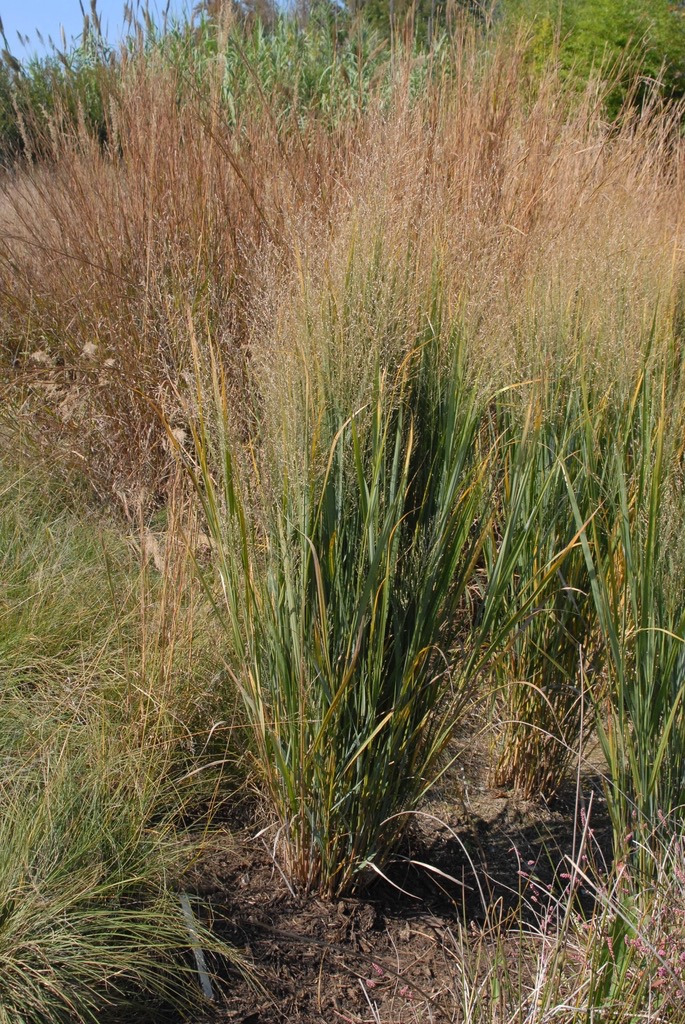
(Image credit: Melinda Heigel)
“How to Plant a Rain Garden” virtual online program. Wednesday, October 15, 3:00 pm – 4:00 pm
Join the arboretum’s director of horticulture Greg Paige and research technician Evan Villani as they explore the arboretum’s rain gardens and show you how to plan and plant your own. Free, pre-registration required. To register: https://jcra.ncsu.edu/midweek/
“The South American Garden” virtual online program. Wednesday, October 22, 3:00 pm – 4:00 pm
Evan Villani gives a talk on the beauty and diversity of the plants of South America. He’ll also give a virtual tour of their South American Garden and introduce you to plants from Uruguay they are trialing in the garden design. Free, pre-registration required. To register: https://jcra.ncsu.edu/midweek/
“Come & Grow: Frightful Flora” in person program. Saturday, October 25, 10:00 am – 12:00 pm
Learn how “spooky” plants use unusual shapes, scents, and strategies to survive through self-guided activities. Free, no registration required. Family-friendly. (In case of rain, program will be cancelled.)
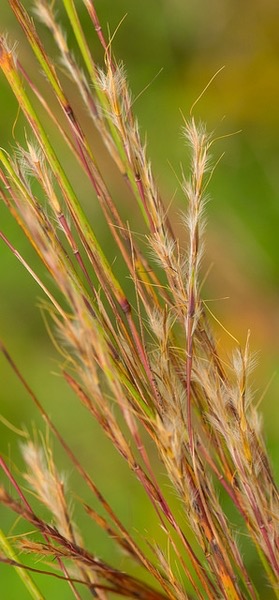
“Native Grasses: The New Workhorses of the Garden” virtual online program. Tuesday, October 7, 12:00 pm – 1:00 pm
Looking for strategies to garden smarter and boost your landscape’s ecological impact? Join Shannon Currey, education and outreach at Izel Native Plants, to learn how native grasses can help reduce resource use, add biodiversity and increase resilience. Free, pre-registration required. To register: https://rsvp.duke.edu/event/1db2147c-d1e8-4d23-9c6c-74bb2806ab0e/summary
Harvest Festivalin person drop in festival. Sunday, October 19, 1:00 pm – 4:00 pm
Celebrate the bounty of autumn with an outdoor festival of activities, music, demonstrations and more, led by Duke Gardens and other local groups in the Charlotte Brody Discovery Garden. You’ll find activities for adults and children together; all ages. Children must be accompanied by an adult. Free, no registration required. For more information: https://gardens.duke.edu/event/harvest-festival-2/
Edited by Melinda Heigel, NC State Extension Master GardenerSM volunteer of Durham County
In our earlier blog posts, we’ve explored THE GOOD and THE BAD of cucumber growing. So finally, let me tell you about our 2025 cucumber project!
On April 15, 2025, we planted approximately 60 ‘Marketmore 76’ cucumber seedlings, started mid-March under grow lights, along the fence fronting Briggs Avenue at Briggs Avenue Community Garden. Because she had recently learned about mycorrhizae and had an ample supply of vermicompost, Kathryn Hamilton, Extension Master GardenerSM volunteer and Briggs pantry team zone leader,1 spontaneously suggested that we test these amendments.
(Left to right) Laying out our work plan for planting the cucumbers. Work in progress: vines clipped to fence to prevent cucumbers from laying on the ground which would increase risk of disease attacking plants. (Image credit: Kathryn Hamilton)
First we sprayed all roots with a fungal spray then divided the row into three sections. Holes in Section A got a teaspoon of GardenTone® organic fertilizer; vermicompost went into the holes in Section B; and in Section C we rinsed the roots (in order to insure good contact) then dipped them into a mycorrhizae solution (more on that below).
A Brief Segue About Trap Plants
This is a good place for me to say a few words about trap plants, basically an alternative means of pest management. These are plants, or even crops in some instances, that are planted specifically to lure pests away from the main crop. The idea is for the insects to go to the trap plants for feeding and/or egg laying. Certain insects are attracted to particular plants. Frequently used trap plants are nasturtiums (Tropaeolum majus), marigolds (Tagetes spp.) and Blue Hubbard (Cucurbita pepo) squash. Gardeners may still need to hand pick or dust with diatomaceous earth or kaolin clay to get rid of the little buggers, but hopefully the insects are largely lured from the main crop.
Earlier in the year, in an effort to break up some very clay-ey soil, the front of the bed was planted with daikon radishes. Radishes, it turns out, happen to be a perfect trap crop for the dreaded cucumber beetle, and we decided to leave them in front of the cukes, not anticipating potential unintended consequences. The daikon radish plants flourished; they blossomed and were so thick you couldn’t see though the mass of foliage and flowers.
Note the broad leafy greens of the daikon radish. While they can be a workhorse in the garden as both an insect lure and a natural clay buster, they shaded our growing cucumbers causing stunted growth and development. (Image credit: University of Maryland Extension)
Towards the end of April, we started becoming uncomfortable that the whole length of cucumber plants was not growing as fast as we expected despite routine management practices of watering, feeding, and applications of kaolin clay and diatomaceous earth to prevent pill bug and beetle damage.
By May 1, the daikon radishes fronting the cukes were between 2-3 feet tall. The cucumber fence basically faces due east. In other words, the cucumber plants were almost precisely between the morning sun and the tall daikon growth. By noon, the daikon were shading the cucumber plants. So we removed two thirds of the daikons, hoping the last third would do the trapping for us. As you might suspect, this left Section C languishing. Eventually getting the hint, we removed the daikons and replaced them with lower-growing ‘Cherry Belle’ radishes.
Sections A and BSection B
By late May, Sections A and B were looking nice with a shorter variety of trap radishes growing in front. (Image credit: Kathryn Hamilton)
By June 15, we saw an amazing sudden growth spurt in Section C! We were so excited. By the end of July, 2025, production was slowing and most plants were dying having lived a normal lifespan. I never noticed a major pest infestation. I believe the flowering daikon radishes did the job of preventing a lot of cucumber damage from beetles and helped attract pollinators.
(Left to right) End of Section B & beginning of Section CSection C
(Left to right) On May 31, you can see how stunted the cucumber plants are in Section C compared to Section B. By early June, they are finally starting to catch up in growth and production once we removed the tall daikon radish trap crops. (Image credit: Carol Feldman)
So How Many Cucumbers Did We Harvest? A lot!
We picked our first cuke on June 3, 49 days after transplanting and one month after we first planted seeds. As we harvested, we weighed the produce from each section (but foolishly forgot to count the cukes). We also lost a number of cukes from each section.
Here are the results:
Section
Amendment
Pounds
Pounds per Vine
A
GardenTone®
30
2.7
B
Vermicompost
67
3.2
C
Mycorrhizae
48
2.6
So What Did We Learn?
It’s hard to draw firm and fast conclusions since the experiment was really done on a fly and there were many mitigating circumstances, including multiple harvesters/weighers. If there was a winner, it looks to be those cukes treated with vermicompost. At the same time, we have to wonder if Section C might have done better if the daikon had been removed sooner. We may just have to try the experiment again next year with some tighter constraints.
Personally, a big lesson that I learned not only about cucumbers, but about food plants is they are so resilient. They can’t always overcome poor soil, or wet, cold days that seem to go on and on and hot, humid, airless days. But I think they really want to grow fruit. Take as good care of them as you know how and see how well they reward you.
I, for one, learned so much about cucumbers this year that I can take with me all my gardening years. Thanks to all of you readers who took this cucumber journey with me. It was an amazing summer for me. I learned so much and worked with the best cohort of gardeners ever. And we were able to serve our community with some very beautiful, healthy food.
This was hardly a highly scientific experiment, rather more of a “let’s see what we can learn.” And perhaps it may inspire you to try something new in your garden. As for those of who worked on this project, we may just have to take what we learned this year and try it again next year.
PS: A little knowledge can be a dangerous thing. If your interest in mycorrhizae has been peaked, don’t try using it this fall on your brassicas. According to a document by the USDA, “Not all plants form mycorrhizal associations. [One such group are members] of the Mustard Family (Brassicaceae), which are often referred to as brassicas. In addition to not associating with mycorrhizal fungi, the roots of brassicas contain chemicals that are potentially toxic to soil fungi. More research is needed to determine the effect of growing brassica crops, both agronomic and cover crops, on populations of mycorrhizal fungi in the soil.”
Notes
1–The Briggs Avenue Pantry Team is comprised of 18 Briggs gardeners and Extension Master Gardener volunteers who actively grow food for the Durham Tech Food Pantry from January – November. This year, they are on track to have grown and donated 1,000 lbs. of food to both Durham Teach and two other local food banks.