Integrated Pest Management – Complete Extension Gardener Series
Tuesday, Mar 17, 2015 6:00pm – 8:00pm
Where: Durham County Cooperative Extension, 721 Foster Street, Durham, NC
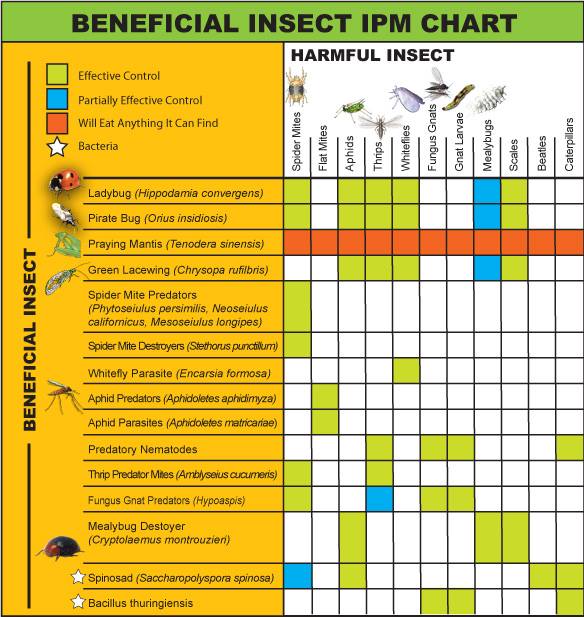
Managing pests in the landscape involves more than just spraying a few chemicals. Learn about pest prevention, the importance of healthy growing systems, and resorting to chemicals only as a last resort.
Free/ Registration required.
contact: Pana Jones – prjones2@ncsu.edu 919-560-0525
Organic Sustainable Vegetable Gardening – Durham Garden Forum
Tuesday, Mar 17, 2015 6:00pm – 8:00pm
Where: Sarah P. Duke Gardens, 420 Anderson Street, Durham, NC
Speaker: Keith Baldwin, Ph.D., farm services coordinator, Carolina Farm Stewardship Association.
$10.00 fee per class or annual membership fee.
Registration required.
contact: durhamgardenforum@gmail.com
Getting Dirty with Durham County Master Gardeners Radio Show –
MARCH 17 2:00 pm- Dr. Carl Maytac, of the NC Cooperative Extension Service is the County Extension Director for Orange County, NC. He holds a Ph.D. in Plant Pathology from the University of Minnesota. Dr. Maytac spoke to our new Master Gardener class about identifying plant diseases, how to prevent them, and options for treatment. Lise Jenkins asked him before class started what steps gardeners can take to discourage diseases from getting a hold of their garden this season.
Broadcasts Tuesdays at 2:00 pm on WCOM 103.5 Can be heard live or replayed any time at http://gettingdirtyradioshow.org
Attracting Bee, Butterflies & Birds
Thursday, Mar 19, 2015 6:30pm – 8:00pm
Where: Sarah P. Duke Gardens, 420 Anderson Street, Durham, NC
If you plant it, they will come. Learn about the basic principles of developing a pollinator garden.
Free/Registration required.
Contact: 919-668-1707