Pure Sunshine in the Dark Winter Days  

By Stacy Edwards, NC State Extension Master GardenerSM volunteer intern of Durham County

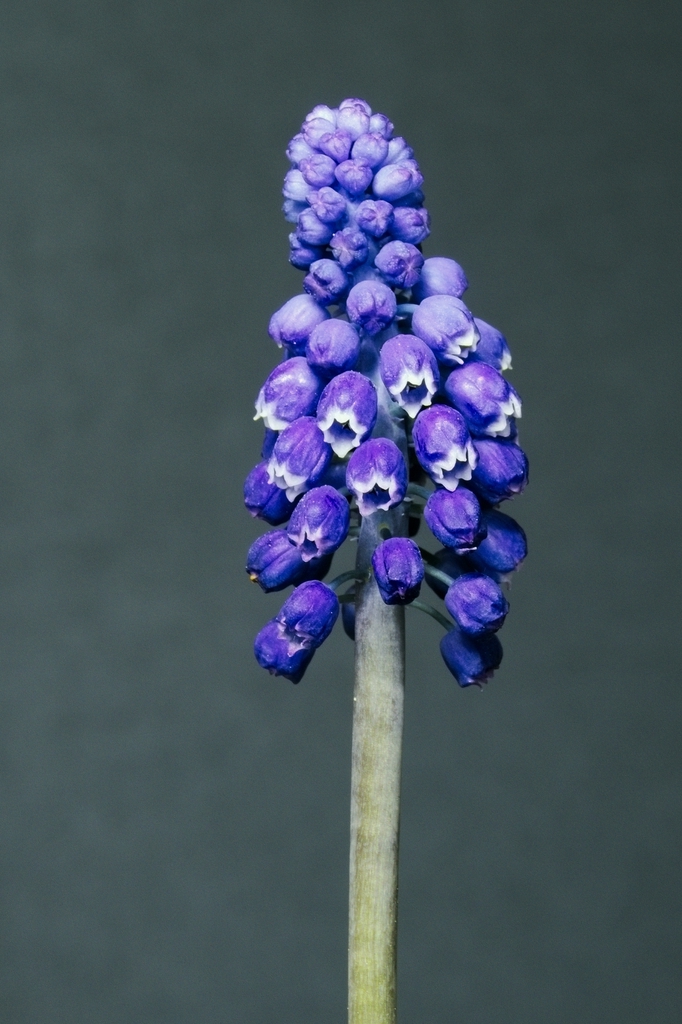
(Image credit: Melinda Heigel; Bff CC BY-SA 4.0)

If you need a little encouragement in the dark days of January and February, consider planting spring-flowering bulbs now!  From the purple, grape-like clusters and green spikes of muscari, to the sunny blossoms of daffodils and brilliant colors of tulips, there is a bulb for everyone and every landscape…and even the indoors.   

Soil and Bulbs

Bulbs like well-drained soil and a pH of 6-7.   Heavy clay in our soils in the Piedmont region of Zone 8 are a blessing and a curse.  On the plus side, it’s nutrient rich and provides stable footing for roots. But clay holds water and can cause bulbs to rot.  Drainage is greatly improved by adding compost, soil conditioner, or pine bark mulch into the soil as bulbs are planted.  And speaking of soil, now is a great time to have your soil tested to see if there are any nutrients lacking or other needs.  In the absence of a soil test, consider applying a slow-release complete fertilizer into the soil at the time of planting by following the instructions on the label.1   

Sun Requirements and Bulbs

Most bulbs like at least 6 hours of sun.  But even the shadiest gardens can be great sites for bulbs in the winter as the deciduous trees lose their leaves and allow the sun to get in.  Consider the path of the sun as you pick your spot.  Some areas that would normally receive full sun in the summer may receive less sun in the winter.  Again, drainage and consideration of planting location will help bloom production. 

Tips for Planting Bulbs

Generally, bulbs should be planted 3-4 times as deep as their width but follow directions on the package.  For large bulbs, like the giant alliums, allow 3-6″ between bulbs.  Smaller bulbs can be closer together – 1-2.”  A Hori-Hori knife can be very useful, and many knives have rulers embedded on the blade for measuring planting depth.  Of course, a small trowel or shovel can be used too.  A good layer of 2-3″ of mulch on top of the soil after planting will protect the bulb from severe weather and helps lock moisture in the soil. Planting bulbs in mass clusters makes for a better, more dramatic show.   

Spring-flowering bulbs make excellent long-lasting cut flowers. While it’s common to force bulbs like paperwhites and amaryllis during the holiday season, other bulbs like tulips, though more tricky since pre-chilling is required, are also suitable candidates. (Image credit: Stacy Edwards; Melinda Heigel)

Enjoying Bulbs Indoors and Outdoors

Consider starting indoors right now by forcing bulbs to bloom, which is the process of expediting the plant’s normal bloom cycle.  All bulbs can be forced into blooming.  The spring varieties, such as crocus, snowdrops, daffodils, and hyacinths, require a chilling period of 12-18 weeks whereas amaryllis and paperwhites do not.  This article contains more information on forcing bulbs.   

Extend the spring season by keeping the bloom times of each type of bulb in mind when making selections. You can often find information on flowering times right on bulb packaging. (Image credit: Stacy Edwards; Melinda Heigel)

There is a wide selection of bulbs that grow well in central NC.  The North Carolina State University Plant Toolbox has a list of tulip bulbs that consistently do well as well as more details. Consider planting a variety of bulbs so that blooming extends over a few months.  In early spring muscari, crocus, hyacinths and anemone begin to pop up out of the ground, showing promise that spring is on its way.

Daffodils follow with tulips and lilies shortly thereafter.  Allium giganteum is a personal favorite with clusters of tiny flowers in the shape of a giant lollipop.  Bulbs can be sourced online or at your local garden center and even the big box stores.  Look for bulbs that are large and firm, are free of blemishes, and have not begun to sprout. 

A Little Houskeeping on Growing Bulbs

In our Zone 8 area, many bulbs are considered perennials and come back year after year, requiring very little maintenance. After you’ve enjoyed the brilliant display of flowers, cut the spent blossoms and leave the stems and leaves to fade on their own.  The natural deterioration of the leaves allows the bulb to store energy for next year’s bloom.  Some gardeners fold over the leaves or tie them in a knot close to the soil level to obscure the unattractive browning of the stems, but many plant experts caution against this. This practice can reduce the leaf area exposed to sunlight and the amount of energy (food) the plant can store. And some gardeners just keep adding more plants to distract the view.   

Bulb planting is an easy process, and the small amount of work is rewarded by a brilliant and encouraging display of flowers in the early spring when it seems as though the gray days are never ending.  Happy planting!  

Notes

1–A complete fertilizer is one that contains all three of the primary plant nutrients: nitrogen, phosphorus, and potassium, in that order. You will see that listed as three numbers separated by hyphens. An example of a complete fertilizer profile you would find on a bag of fertilizer is 10 – 10 – 10.

Resources and Additional Information

More on spring-flowering bulbs, including additional selection recommendations and care instructions: https://hgic.clemson.edu/factsheet/spring-flowering-bulbs/

More on the blog about amaryllis bulbs, often forced indoors during the holidays:https://wp.me/p2nIr1-30g

Edited by Melinda Heigel, NC State Extension Master Gardener volunteer of Durham County

Article Short Link: https://wp.me/p2nIr1-6F4

The Plant Festival Returns on April 6: Join Us!

By Deandra Hill, NC State Master GardenerSM volunteer of Durham County

Plant Festival

Saturday, April 6, 2024

10:00 am – 1:00 pm

721 Foster Street, Durham, NC

https://www.backyardtreasuresplantsale.org/plant-festival-2024

Tennyson tells us that “In the Spring a young man’s fancy lightly turns to thoughts of love.” It is indeed spring, and my thoughts have turned more than lightly to thoughts of the Plant Festival! 

Plant Festival team co-chair Lissa Lutz, excited to meet community partners and members at the inaugural event. (Image credit: Deandra Hill)
 

Actually, co-chairs  of the 2024 Plant Festival team, Wanda Crutchfield, Lissa Lutz, and I, along with many others, have been planning since winter to build on the success of last year’s inaugural event. We had an unexpectedly robust turn out despite having to move the event indoors at the last minute, as we discovered the wind did not intend to leave tents and tables in the same place that we set them!

High winds and rain did not discourage the community from joining us at Foster Street to meet with community partners and fellow Master GardenerSM volunteers to propagate our mission of providing research-based gardening information and advice to the public.

Plant Sale Offerings on Display

The 2024 Plant Festival will feature many of the plants offered the following week at the annual Backyard Treasures Plant Sale on April 13.1 The attendees are able to see the amazing plants our volunteers have been lovingly growing and tending. They are also able to ask experts about veggies and herbs, native plants, perennials, and houseplants and their needs. 

Last year, we partnered with community groups with whom we share similar interests: a number of community gardens, such as Briggs Avenue Community Garden, NC Central’s student garden, and Urban Community AgriNomics (UCAN), founded by former Durham County Extension Director Delphine Sellars. 

Plant Experts and Community Partners Answering Questions

(Left to right) Photos highlight our community partners’ involvement at the 2023 festival. A volunteer from Keep Durham Beautiful discussing composting basics; Durham Beekeepers volunteer delights attendees with information on bees; 4-H volunteers help kids make bouquets. (Image credit: Deandra Hill)

We had groups devoted to conservation, such as the NC Native Plant Society and Keep Durham Beautiful. Durham Beekeepers and Extension Master GardenerSM volunteers showed up to present information on keeping bees and backyard chickens. Not forgetting the children, we had 4-H and Durham Public Schools’ Hub Farm. 

Our volunteers represented the Extension Master GardenerSM program with tables about propagation, container gardening, and our very own demonstration garden, as well as being on hand to answer questions about gardening.

This year, we are lucky to feature many of the same community partners and plant pros at the Festival. In addition, we have experts providing information on veggie container gardening and using “green” pots to help lessen plastic waste.

Plant and Gardening Book Give-a-ways

Who doesn’t love free stuff? Well, at our 2023 inaugural event, the Plant Festival gave away 250 plants that represented the offerings from the Plant Sale, as well as free garden books welcome to anyone who attended! We will be returning again this year with a plant give-a-way and free books while supplies last.2  

This year we will also be offering free trees! We will be distributing 2-year-old oaks trees, locally grown at Panther Creek Forest Farm, in partnership with Keep Durham Beautiful. Durham community members will be able to take home and plant one of these keystone plants that play such a pivotal role in our ecosystem.

(Left to right, top to bottom) Just a few of the many plants that will be part of the Plant Festival give-a-way including tomatoes–several varieties (Solanum lycopersicum L.); paperbush (Edgeworthia chrysanthia); golden pothos (Epipremnum aureum); polka dot begonia (Begonia maculata); basil (Ocimum basilicum), and butterfly weed (Asclepias tuberosa). (Image credit: Master GardenerSM volunteers of Durham County)

Community Representation at the Event

In conjunction with efforts of the Diversity, Equity, and Inclusion committee, the Plant Festival team has worked diligently to increase the representation of our community partners to include groups that match the faces and demographics that make up our community.

To that end, we reached out to community organizations in the Native American, Black, and Latino communities. We are excited to also be including El Futuro, the Black Farmers’ Market, and NC A&T along with our returning community partners. We may even have a couple more new faces by the time this blog is posted. This work can seem slow, but we have high hopes to keep reaching out and extending our figurative hands to more groups. 

So here’s to a sunny and breezy (but not windy!) day this April 6. We hope to see your smiling face in the crowd. 

To see a full list of plants you will see at the Plant Festival along with a full list of exhibitors and educators who will be there, check out this link:

https://www.backyardtreasuresplantsale.org/plant-festival-2024

Notes

1–For additional information on the upcoming Backyard Treasures Plant Sale on April 13, including photos and lists of plants available for purchase, visit the online site. https://www.backyardtreasuresplantsale.org.

2–The first 250 attendees to the Plant Festival will receive a ticket for a free plant with a time, starting at 11:00 am. Check out all the plant offerings before 11:00 am, and when your time slot comes up, trade your ticket for one of the plants of your choice. Time slots are every 15 minutes between 11:00 and 12:30, and you must be present to claim your plant. One ticket per person, please.

Article Short Link https://wp.me/p2nIr1-4lf