Build a Bug Snug: An Essential Winter Habitat for Insects

By Astrid Cook-Dail, NC State Extension Master GardenerSM volunteer intern of Durham County

A close-up of a bug snug made of leaves and twigs, designed as a habitat for overwintering insects.

One person’s trash is an insect’s treasure? The bug snug is just that. Pruned hollow stems, fallen leaves, seed heads, and twigs are great for the compost pile, but you can also use fall yard waste to build both biodiversity and healthy soil in your landscape. (Image credit: Astrid Cook)

What is a Bug Snug?

A “bug snug” is a name for a small teepee or similar structure built in late summer or early autumn and packed with leaves and other garden detritus often gathered during autumn garden cleanup or tidying. Bug snugs are similar to insect or bee hotels in that they provide insect and arachnid (bugs, generally) habitat.

Why Make a Bug Snug?

Bug snugs are a great place for all types of important creatures to overwinter during the colder months. By using a combination of leaf litter, deadheaded flowers, and plant stems, you can provide a variety of nesting types for different insects. These are the primary habitat features insects use to survive the colder months.1 Many insects such as butterflies, moths, and beetles overwinter in leaf litter, and the bug snug also provides additional protection to the soil surface where some insects overwinter underground, such as ground nesting bees.

Not only does making a bug snug help provide habitat to insects, but by supporting insects, you also support other animals further up the food chain such as birds, 96% of whom depend on a healthy population of insects to eat overwinter and feed to their young.2

Furthermore, it can be a nice design accent in the garden if there is an area that you are tidying up in the fall. While leaving the leaves and plants intact – without trimming or shredding – through the winter is key to supporting next year’s insects, oftentimes there is a small area that may be preferred to be a bit more tidy. If that is the case, then you can make use of those garden trimmings in an intentional way by building a bug snug. Best of all, this project takes almost no time and is free to make if you have a few sturdy branches around!

The bug snug should remain in place until May, or when temperatures consistently rise above 50F for at least one week, which is the time insects break dormancy and resume activity. Xerces Society for Invertebrate Conservation provides additional cues to determine when insects have finished overwintering and the proper time to disassemble your bug snug. And as simply as you put the bug snug together in the autumn, you can take it apart just by removing the branches used to make the structure holding in the leaf litter and stems.

How to Construct a Bug Snug

Materials

  • 3 tall branches or wooden stakes
  • Leaves, twigs, hollow stems, and debris from autumn garden cleanup
  • Jute twine
A cart filled with garden debris, including twigs and leaves, resting on the ground surrounded by fallen leaves.

(Image credit: Astrid Cook)

Step 1: Gather all materials. Here, I have leaves, vines, and flower stems, as well as wooden stakes.

A wooden tripod structure made from sticks, surrounded by fallen leaves and grass, set in a garden area.

(Image credit: Astrid Cook)

Step 2: Position the stakes to make a tripod and tie securely with twine.

A small teepee-shaped structure made of leaves and twigs, designed as a habitat for insects, situated in a garden setting with fallen leaves and grass around it.

(Image credit: Astrid Cook)

Step 3: Fill with leaf litter and garden trimmings, alternating layers of hollow stems with leaves for airflow and to provide different overwintering habitats.

Notes

1–1 Xerces Society, “Nesting & Overwintering Habitat” 2020 https://xerces.org/sites/default/files/publications/18-014.pdf

2–American Bird Conservancy, “Insect Freefall” 2019 https://abcbirds.org/blog/insect-freefall/

Resources and Additional Information

Enhancing your fall landscape to support wildlife:

https://marylandgrows.umd.edu/tag/landscaping/

On the blog, more about the benefits leaving fall leaves and photos of insects in their different stages that would benefit from a bug snug: https://wp.me/p2nIr1-5bS

Managing backyards to support birds in winter: https://gardens.si.edu/learn/blog/providing-winter-habitat-for-non-migratory-birds/

Edited by Melinda Heigel, NC State Extension Master GardenerSM volunteer of Durham County

Article Short Link: https://wp.me/p2nIr1-6I1

Pure Sunshine in the Dark Winter Days  

By Stacy Edwards, NC State Extension Master GardenerSM volunteer intern of Durham County

(Image credit: Melinda Heigel; Bff CC BY-SA 4.0)

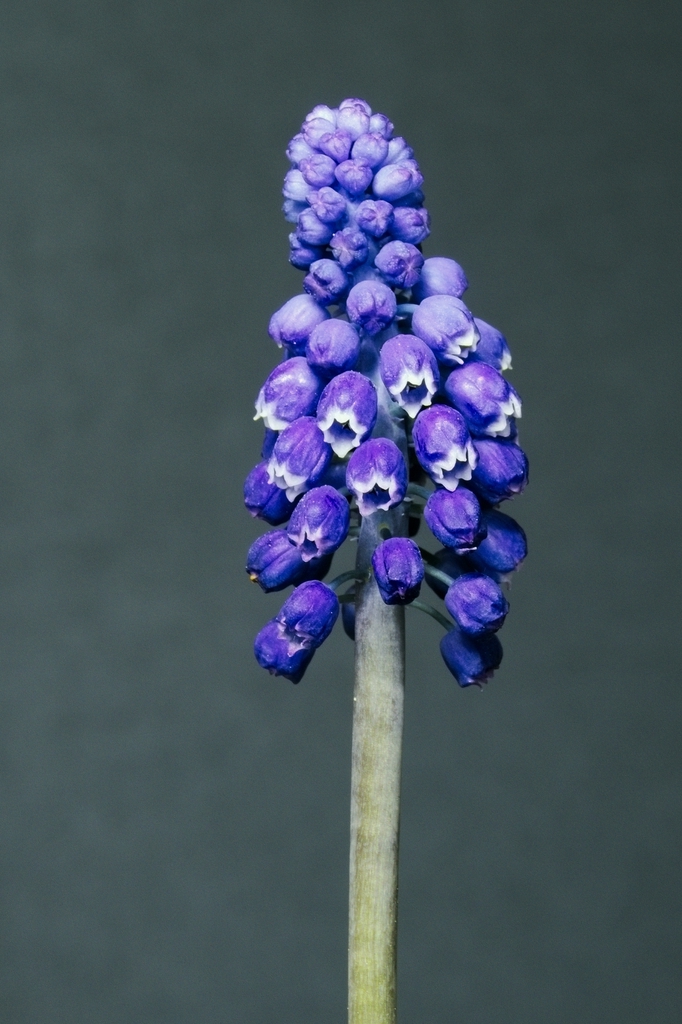
If you need a little encouragement in the dark days of January and February, consider planting spring-flowering bulbs now!  From the purple, grape-like clusters and green spikes of muscari, to the sunny blossoms of daffodils and brilliant colors of tulips, there is a bulb for everyone and every landscape…and even the indoors.   

Soil and Bulbs

Bulbs like well-drained soil and a pH of 6-7.   Heavy clay in our soils in the Piedmont region of Zone 8 are a blessing and a curse.  On the plus side, it’s nutrient rich and provides stable footing for roots. But clay holds water and can cause bulbs to rot.  Drainage is greatly improved by adding compost, soil conditioner, or pine bark mulch into the soil as bulbs are planted.  And speaking of soil, now is a great time to have your soil tested to see if there are any nutrients lacking or other needs.  In the absence of a soil test, consider applying a slow-release complete fertilizer into the soil at the time of planting by following the instructions on the label.1   

Sun Requirements and Bulbs

Most bulbs like at least 6 hours of sun.  But even the shadiest gardens can be great sites for bulbs in the winter as the deciduous trees lose their leaves and allow the sun to get in.  Consider the path of the sun as you pick your spot.  Some areas that would normally receive full sun in the summer may receive less sun in the winter.  Again, drainage and consideration of planting location will help bloom production. 

Tips for Planting Bulbs

Generally, bulbs should be planted 3-4 times as deep as their width but follow directions on the package.  For large bulbs, like the giant alliums, allow 3-6″ between bulbs.  Smaller bulbs can be closer together – 1-2.”  A Hori-Hori knife can be very useful, and many knives have rulers embedded on the blade for measuring planting depth.  Of course, a small trowel or shovel can be used too.  A good layer of 2-3″ of mulch on top of the soil after planting will protect the bulb from severe weather and helps lock moisture in the soil. Planting bulbs in mass clusters makes for a better, more dramatic show.   

Spring-flowering bulbs make excellent long-lasting cut flowers. While it’s common to force bulbs like paperwhites and amaryllis during the holiday season, other bulbs like tulips, though more tricky since pre-chilling is required, are also suitable candidates. (Image credit: Stacy Edwards; Melinda Heigel)

Enjoying Bulbs Indoors and Outdoors

Consider starting indoors right now by forcing bulbs to bloom, which is the process of expediting the plant’s normal bloom cycle.  All bulbs can be forced into blooming.  The spring varieties, such as crocus, snowdrops, daffodils, and hyacinths, require a chilling period of 12-18 weeks whereas amaryllis and paperwhites do not.  This article contains more information on forcing bulbs.   

Extend the spring season by keeping the bloom times of each type of bulb in mind when making selections. You can often find information on flowering times right on bulb packaging. (Image credit: Stacy Edwards; Melinda Heigel)

There is a wide selection of bulbs that grow well in central NC.  The North Carolina State University Plant Toolbox has a list of tulip bulbs that consistently do well as well as more details. Consider planting a variety of bulbs so that blooming extends over a few months.  In early spring muscari, crocus, hyacinths and anemone begin to pop up out of the ground, showing promise that spring is on its way.

Daffodils follow with tulips and lilies shortly thereafter.  Allium giganteum is a personal favorite with clusters of tiny flowers in the shape of a giant lollipop.  Bulbs can be sourced online or at your local garden center and even the big box stores.  Look for bulbs that are large and firm, are free of blemishes, and have not begun to sprout. 

A Little Houskeeping on Growing Bulbs

In our Zone 8 area, many bulbs are considered perennials and come back year after year, requiring very little maintenance. After you’ve enjoyed the brilliant display of flowers, cut the spent blossoms and leave the stems and leaves to fade on their own.  The natural deterioration of the leaves allows the bulb to store energy for next year’s bloom.  Some gardeners fold over the leaves or tie them in a knot close to the soil level to obscure the unattractive browning of the stems, but many plant experts caution against this. This practice can reduce the leaf area exposed to sunlight and the amount of energy (food) the plant can store. And some gardeners just keep adding more plants to distract the view.   

Bulb planting is an easy process, and the small amount of work is rewarded by a brilliant and encouraging display of flowers in the early spring when it seems as though the gray days are never ending.  Happy planting!  

Notes

1–A complete fertilizer is one that contains all three of the primary plant nutrients: nitrogen, phosphorus, and potassium, in that order. You will see that listed as three numbers separated by hyphens. An example of a complete fertilizer profile you would find on a bag of fertilizer is 10 – 10 – 10.

Resources and Additional Information

More on spring-flowering bulbs, including additional selection recommendations and care instructions: https://hgic.clemson.edu/factsheet/spring-flowering-bulbs/

More on the blog about amaryllis bulbs, often forced indoors during the holidays:https://wp.me/p2nIr1-30g

Edited by Melinda Heigel, NC State Extension Master Gardener volunteer of Durham County

Article Short Link: https://wp.me/p2nIr1-6F4