Pure Sunshine in the Dark Winter Days  

By Stacy Edwards, NC State Extension Master GardenerSM volunteer intern of Durham County

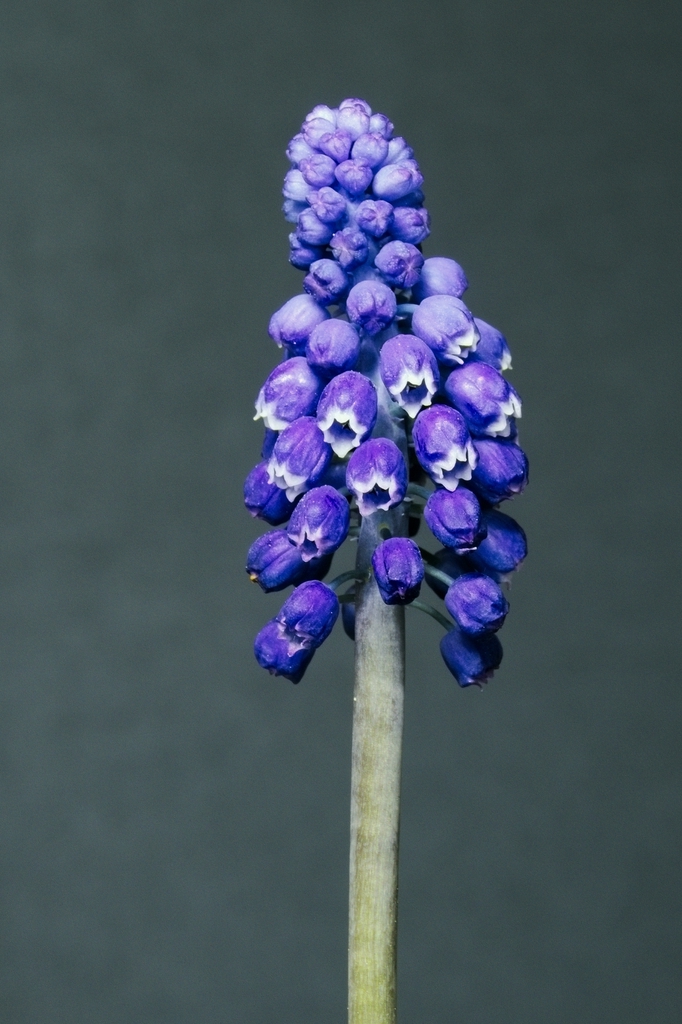
(Image credit: Melinda Heigel; Bff CC BY-SA 4.0)

If you need a little encouragement in the dark days of January and February, consider planting spring-flowering bulbs now!  From the purple, grape-like clusters and green spikes of muscari, to the sunny blossoms of daffodils and brilliant colors of tulips, there is a bulb for everyone and every landscape…and even the indoors.   

Soil and Bulbs

Bulbs like well-drained soil and a pH of 6-7.   Heavy clay in our soils in the Piedmont region of Zone 8 are a blessing and a curse.  On the plus side, it’s nutrient rich and provides stable footing for roots. But clay holds water and can cause bulbs to rot.  Drainage is greatly improved by adding compost, soil conditioner, or pine bark mulch into the soil as bulbs are planted.  And speaking of soil, now is a great time to have your soil tested to see if there are any nutrients lacking or other needs.  In the absence of a soil test, consider applying a slow-release complete fertilizer into the soil at the time of planting by following the instructions on the label.1   

Sun Requirements and Bulbs

Most bulbs like at least 6 hours of sun.  But even the shadiest gardens can be great sites for bulbs in the winter as the deciduous trees lose their leaves and allow the sun to get in.  Consider the path of the sun as you pick your spot.  Some areas that would normally receive full sun in the summer may receive less sun in the winter.  Again, drainage and consideration of planting location will help bloom production. 

Tips for Planting Bulbs

Generally, bulbs should be planted 3-4 times as deep as their width but follow directions on the package.  For large bulbs, like the giant alliums, allow 3-6″ between bulbs.  Smaller bulbs can be closer together – 1-2.”  A Hori-Hori knife can be very useful, and many knives have rulers embedded on the blade for measuring planting depth.  Of course, a small trowel or shovel can be used too.  A good layer of 2-3″ of mulch on top of the soil after planting will protect the bulb from severe weather and helps lock moisture in the soil. Planting bulbs in mass clusters makes for a better, more dramatic show.   

Spring-flowering bulbs make excellent long-lasting cut flowers. While it’s common to force bulbs like paperwhites and amaryllis during the holiday season, other bulbs like tulips, though more tricky since pre-chilling is required, are also suitable candidates. (Image credit: Stacy Edwards; Melinda Heigel)

Enjoying Bulbs Indoors and Outdoors

Consider starting indoors right now by forcing bulbs to bloom, which is the process of expediting the plant’s normal bloom cycle.  All bulbs can be forced into blooming.  The spring varieties, such as crocus, snowdrops, daffodils, and hyacinths, require a chilling period of 12-18 weeks whereas amaryllis and paperwhites do not.  This article contains more information on forcing bulbs.   

Extend the spring season by keeping the bloom times of each type of bulb in mind when making selections. You can often find information on flowering times right on bulb packaging. (Image credit: Stacy Edwards; Melinda Heigel)

There is a wide selection of bulbs that grow well in central NC.  The North Carolina State University Plant Toolbox has a list of tulip bulbs that consistently do well as well as more details. Consider planting a variety of bulbs so that blooming extends over a few months.  In early spring muscari, crocus, hyacinths and anemone begin to pop up out of the ground, showing promise that spring is on its way.

Daffodils follow with tulips and lilies shortly thereafter.  Allium giganteum is a personal favorite with clusters of tiny flowers in the shape of a giant lollipop.  Bulbs can be sourced online or at your local garden center and even the big box stores.  Look for bulbs that are large and firm, are free of blemishes, and have not begun to sprout. 

A Little Houskeeping on Growing Bulbs

In our Zone 8 area, many bulbs are considered perennials and come back year after year, requiring very little maintenance. After you’ve enjoyed the brilliant display of flowers, cut the spent blossoms and leave the stems and leaves to fade on their own.  The natural deterioration of the leaves allows the bulb to store energy for next year’s bloom.  Some gardeners fold over the leaves or tie them in a knot close to the soil level to obscure the unattractive browning of the stems, but many plant experts caution against this. This practice can reduce the leaf area exposed to sunlight and the amount of energy (food) the plant can store. And some gardeners just keep adding more plants to distract the view.   

Bulb planting is an easy process, and the small amount of work is rewarded by a brilliant and encouraging display of flowers in the early spring when it seems as though the gray days are never ending.  Happy planting!  

Notes

1–A complete fertilizer is one that contains all three of the primary plant nutrients: nitrogen, phosphorus, and potassium, in that order. You will see that listed as three numbers separated by hyphens. An example of a complete fertilizer profile you would find on a bag of fertilizer is 10 – 10 – 10.

Resources and Additional Information

More on spring-flowering bulbs, including additional selection recommendations and care instructions: https://hgic.clemson.edu/factsheet/spring-flowering-bulbs/

More on the blog about amaryllis bulbs, often forced indoors during the holidays:https://wp.me/p2nIr1-30g

Edited by Melinda Heigel, NC State Extension Master Gardener volunteer of Durham County

Article Short Link: https://wp.me/p2nIr1-6F4

To Do in the Garden: November 2025

By Gary Crispell, NC State Extension Master GardenerSM volunteer of Durham County


Was it really dry in October or was it my imagination? October is one of my favorite months, but I would rather have one during which I did not have to drag the hose all over the yard twice a week. I don’t water the Accidental Cottage Garden (ACG). It has to make it on its own. That was one of the considerations when I planted it. Darwinism is definitely at work here.

(Left to right) Drought-resistant flowers keep showing up in the ACG like zinnias along with a stray gaillardia or two, commonly known as a blanket flower. With no frost to date, flowers are persisting late into the fall. And a few black-eyed Susans made a curtain call. (Image credit: Javin Griffin)

There are an astounding number of things still blooming. The African marigolds (Tagetes erecta) outnumber all the rest. They have been carrying the bulk of the load since mid-September. But they have friends. The zinnias (Zinnia elegans) are as foolproof an annual as you can get. Throw out the seeds and stand back. There are still some stray gaillardia (Gaillardia pulchella), cosmos (C. sulfureus), purple cone flowers (Echinacea purpurea), and a solitary Chinese forget-me-not (Cynoglossum amabile).

Doing their Halloween best by coming back from the dead are several black-eyed Susans (Rudbeckia hirta) all of which are interspersed with the ubiquitous hardy ageratum (Conoclinum coelestinum). Not a bad show for only 2” of rain. BTW, the pollinators really love the marigolds. I can usually expect to find three or four types of butterflies and an equal number of bee species on them.

Yeah, yeah. Shut up, Gary, and get to the real stuff. No worries. It’s all here.

Lawn Care

(Left to right) Do this, not that! If you have seen the “Leave the Leaves” signs around you neighborhood in the fall, this message matters. According to Keep Durham Beautiful, “Leaving your leaves is one way to change some of the forces at work behind the twin crises of climate change and loss of biodiversity. Some direct impact and benefits to leaving your leaves includes more beneficial insects including pollinators and fireflies, less stormwater runoff, healthier soil and trees, and less air and noise pollution.” (Image credit: Allie Mullin; Melinda Heigel)


Leaf removal is job #1. If your lawn consists of warm season grass (Bermuda, zoysia, centipede), and you have heavy leaf cover that might mat and smother your turf, that’s about all you need to know. These grasses will soon be going dormant not to be heard from until spring. But wait! The landfill doesn’t need the fallen leaves. Rake them into your beds or a few concentrated piles on the edges of the yard where they will decompose and provide vital organic matter and nutrients. Want more fireflies?

Leaves left to decompose also provide valuable habitat for fireflies and other beneficial insects. They keep their larvae warm, hidden, and protected as they hibernate through the winter. You can also put them in compost piles, not the trash.

Should you have cool season grass (tall fescue, bluegrass, perennial rye) you are still mowing (3”- 4”) and either bagging or mulching clippings and leaves (preferably the latter). Remember, the landfill doesn’t need it. If you overseeded or started a new lawn, be sure it gets ½” of water twice a week at a minimum.

Fertilizing

Pretty much zilch here. You can add lime to correct a low pH (<6.0) at the rate indicated on the SOIL TEST results you received from NCDOA. (Come on! They’re still free until the end of the month, y’all.) Lime is best incorporated into the soil as it doesn’t move through the soil to the root zone very well.

Planting

Have I ever mentioned, “FALL IS FOR PLANTING” before?

A variety of potted plants including leafy greens and flowers displayed against a wooden background.

Image credit: Melinda Heigel

Trees and shrubs can be transplanted this month. It is not too late to plant spring-flowering bulbs (daffodils, tulips, crocuses, etc.) but try to complete this task before the end of the month. (Be on the lookout next week on the blog for tips on planting bulbs). One-year-old asparagus crowns can be transplanted now.

Pruning

Ahh, the perennial garden. Any day now, if it hasn’t happened already, Jack Frost or his insidious sibling Harriet Hardfreeze will drop in for a visit and finish any destruction not previously inflicted by Minerva Moisturestress. After that I plan to enjoy the deceased stalks until spring. There might be eggs of solitary bees or other beneficial insects in or on the stalk. You know, “Leave the Leaves.” How about a new saying? “Save the Stems.”

A close-up of a green, textured leaf or plant structure hanging from a brown stem, indicating seasonal changes in a garden.

Leaving a more “natural” fall-to-spring garden (read: untidy) is important for wildlife. Just like leaving leaves, leaving stems like those of the purple cone flower mean more habitat for over-wintering insects such as the black swallowtail chrysalis. (Image credit: Debbie Roos)


Dead or diseased wood can be trimmed from trees and shrubs. When removing entire branches make the pruning cuts at the outer edge of the branch collar (the flair at the base of the branch) to promote quicker healing. It is a good time to clean up the rest of the garden and landscape in general. You can yank weeds and other undesirable plants (the definition of a weed) and toss ‘em in the compost pile.

Spraying

If you’ve been doing battle with lace bugs all summer hit ‘em with a good dose of horticultural oil and put the sprayer away…well, clean it first, of course. (Might I suggest moving the offending azaleas to a less sunny location in the yard. They are an understory plant and are stressed when in full sun thereby inviting the lace bugs which prefer stressed plants. That’s your cause-and-effect lesson for this month.)

OTHER ENTERTAINING, ENLIGHTENING, AND ENCHANTING ENDEAVORS TO ENJOY IN PIEDMONT NORTH CAROLINA IN AUTUMN

Three illustrated leaves in a row, each with a distinct outline and vein pattern.

Take a leaf hike in your neighborhood or local park.
Make a leaf pile for your kids or grandkids to play in.
Invite the neighbors over for an evening around the firepit. Hot cider and donuts required.
Enjoy the last few user-friendly days of 2025. They are numbered at this point.

May you have a wondrous Thanksgiving shared with people you love (and maybe some strangers).

Resources and Additional Information

More details on leaving the leaves: https://hort.extension.wisc.edu/2023/09/08/leave-the-leaves-to-rake-or-not-to-rake/

Secret signals of fireflies: https://news.ncsu.edu/2019/07/how-fireflies-glow-and-what-signals-theyre-sending/

How to prune like a pro: https://content.ces.ncsu.edu/general-pruning-techniques

On our blog, information about more fall blooming plants:

Hardy ageratum: (Conoclinium coelestinum) https://wp.me/p2nIr1-2sj

Goldenrod (Solidago spp.) https://wp.me/p2nIr1-4OY

Edited by Melinda Heigel, NC State Extension Master GardenerSM volunteer of Durham County

Article Short Link: https://wp.me/p2nIr1-6F7