By Summer Gates NC State Extension Master GardenerSM volunteer intern of Durham County


Left: Ripe Tomatillos ready to be roasted. Right: Young fruit developing in their husk. (Image credit: Summer Gates)
Physalis philadelphica, commonly known as tomatillo, has been a staple in my garden for the last eight years—I simply can’t live without it, now that I know how to prepare it, of course! Like many of you, while perusing seed websites in January and dreaming of getting my hands in the soil, I got a little “clicky clicky” while placing an order. I ended up buying these beautiful fruits sold as “Mexican tomatoes.” I said to myself, Self, we love tomatoes. We should try these. Into my shopping cart they went, and when they arrived 10 days later, I squealed with delight. I couldn’t wait to try them!
I sowed extra seeds to ensure I wouldn’t miss out on any of their potential. Eight plants later, taking up an extra-large portion of my garden, they came to bloom and set fruit. After waiting patiently for the tomatillos to ripen, the moment finally arrived. With a little dance, I bit into the fruit. And—uh oh. This was not the flavor profile I was expecting. It was tart, bitter, and most assuredly not a tomato. Now, with a significant portion of my garden dedicated to this fruit, I had to figure out what to do next.
I turned to the internet for answers! Many recipes suggested cooking and browning halved fruits in a pan. Lo and behold, the resulting flavor was nothing short of magical. The heat brings out their natural sugars and reduces the tartness, transforming them into roasted goodness on a plate. Grilled with a pinch of salt, tomatillos make a perfect side dish for grilled chicken during a patio dinner. I also make tomatillo and pineapple salsa, which never fails to elicit an enthusiastic, “Oh my gosh, this is so good,” whenever it’s served at a gathering.
Key Things to Know About Growing Tomatillos
- Space and Size: Tomatillos grow large, almost shrub-like, reaching 4’ x 4’. Plant them with plenty of room. One or two plants will supply you with enough fruit all summer long.
- Support: Provide structural support, such as tomato cages, and train the lower stems through the supports.
- Husked Fruits: The fruit develops inside a husk. When the husk begins to dry out or the fruit breaks through, it’s ready to harvest and should come away with little effort
- Watering: Avoid overwatering to prevent cracking. If fruits crack, harvest them promptly.
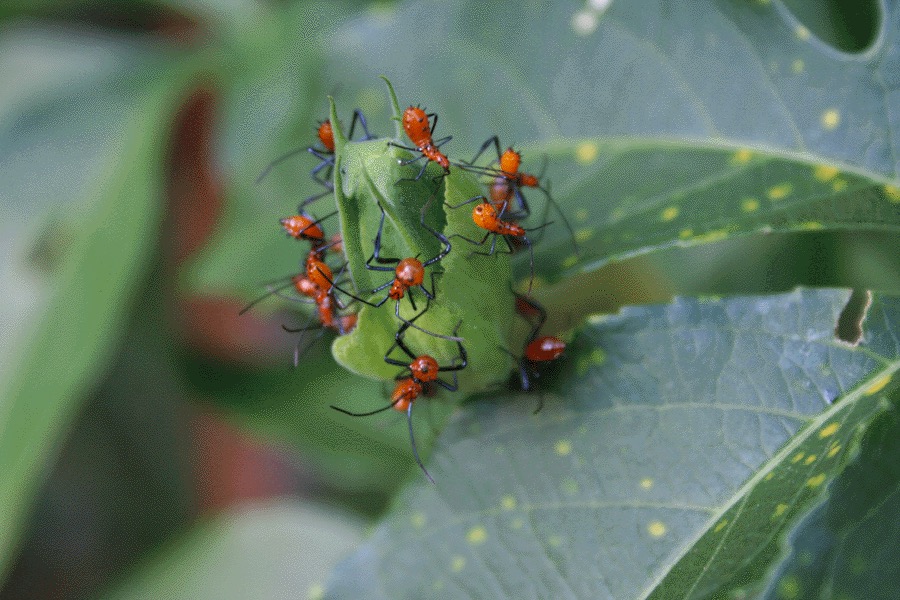
- Pests: Leaf-footed bugs and tomato hornworms are common pests. I use a sticky lint roller to remove leaf-footed bug nymphs and eggs (a trick that works for stink bugs too!). For hornworms, I plant marigolds and basil near the tomatillos—it seems to help, at least in my garden.
- Residue: The fruit’s surface has a sticky, waxy residue. Wash thoroughly, as this coating can make the fruit bitter.
- Self-Seeding: Tomatillos readily self-seed if fallen fruits are not removed, ensuring a steady supply for future gardens.
- Varieties: Tomatillos come in green, yellow, and purple varieties. Green and yellow fruits are best for recipes like salsa, as the purple color may bleed into dishes.
For my favorite tomatillo and pineapple salsa recipe, check out the one featured in The New York Times. It’s always a hit at gatherings!
And if you’re as enterprising as my friend Elizabeth Palmer, you can even transform the husks into stunning prints—each one beautifully unique!


Resources and Additional Information
- Identify a Leaf Footed Bug with our past blog post on them: https://durhammastergardeners.com/2024/07/17/identifying-and-controlling-leaf-footed-bugs-in-your-garden/
- For more info on the Tomato Hornworm: https://tobacco.ces.ncsu.edu/tobacco-pest-management-insects-tobacco-and-tomato-hornworm/
- There are many pest insects on summer vegetables. Here are a few: https://entomology.ces.ncsu.edu/insect-management-on-fruiting-vegetables-in-north-carolina/
- Additional information on tomatillos with variety types: https://plants.ces.ncsu.edu/plants/physalis-philadelphica/
- Article Short link: https://wp.me/p2nIr1-5WR