Ask a Master Gardener Program is an opportunity for members of the community to ask questions about gardening and learn more about the NC State Extension Master GardenerSMprogram. Durham County Master Gardener volunteers are available to provide answers using research-based information about plants and plant problems.
(Image credit: Allie Mullin)
Durham Farmers Market
You’ll find Master Gardener volunteers at the following community events ready for your questions:
Saturday, March 21, 9:00 am – 12:00 pm Durham Farmer’s Market at Central Park, Durham
Saturday, March 28, 9:00 am – 12:00 pm South Durham Farmer’s Market, 500 Park Offices Dr. (parking lot), Durham
Saturday, March 28, 10:00 am – 12:00 pm Annual Plant Festival, Durham Co. Extension Office, 721 Foster St, Durham (See more on this exciting event below)
Annual Plant Festival, “Gardening Across Generations”Saturday, March 28, 10:00 am – 12:00 pm, Durham Co. Extension Office, 721 Foster St, Durham
Join Extension Master Gardener volunteers of Durham County for a morning of learning, discovery, and hands-on exploration. At this free event which is open to all ages, you’ll find demos on composting, pollinator and bird-friendly habitats; Master Gardener volunteer experts available to answer gardening questions; previews of plants that will be featured in annual sale in April; family-friendly activities and opportunities to explore local garden resources and partners. Learn more here.
Hattie Meadows Gardening School
In honor of a beloved Durham gardener Hattie Meadows, the community is invited to take part in the new Hattie Meadows Gardening School. This free community learning series is a partnership between Durham Cooperative Extension, Durham County Library, and Sarah P. Duke Gardens. Monthly classes will feature local teachers and gardening experts sharing practical knowledge on a wide range of gardening topics. It is perfect for beginners and experienced gardeners alike. Free, but space is limited and registration is required.
For this special half-day symposium, we’ll feature three speakers with a little something for everyone, from beginner to experienced veggie grower. Click above to register for the fully symposium.
-Veggies 101 – 9:30 am – 10:15 am, Presented by Ashley Troth, PhD, Horticulture Agent, Durham County Cooperative Extension
-From Tomatoes to Turnips: Practical Tips for Planning Your Year-Round Vegetable Garden – 10:30 am – 11:15 am, Presented by Molly Zimmerman, Extension Master Gardener volunteer, Durham County
-Hearty Landscapes: Foodscaping for Joy, Beauty & Abundance – 11:30 am – 12:15 pm, Presented by Brittany Robinson-Wittenhill, Founder of Our Backyard, LLC
Plug and Play: A Guide to Planting Perennial Plugs, with Shannon Currey of Izel Native Plants. Tuesday, March 17, 12:00 pm – 1:00 pm. Free virtual program; pre-registration required. (Info and Registration)
Midday Meander, with Kavanah Anderson, director of learning and community engagement of Duke Gardens. Thursday, March 26, 12:15 pm – 1:00 pm. Free, in person at the gardens; pre-registration required. (Info and Registration)
All March Midweek Programs are free, virtual, and require pre-registration.
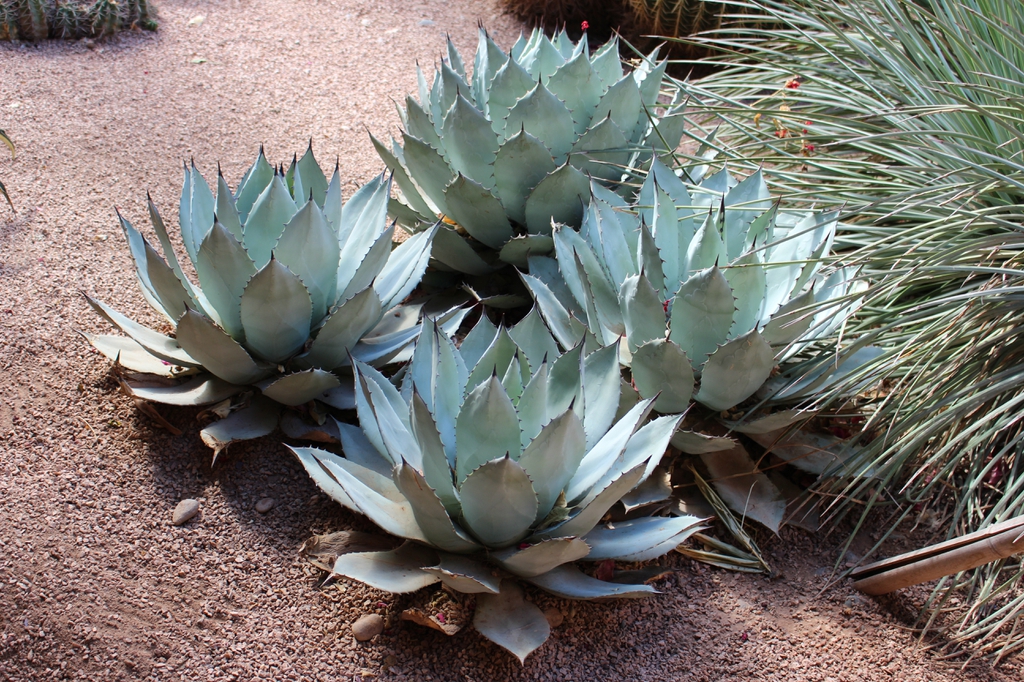
Agave and Allies, with Tim Alderton. Wednesday, March 4, 3:00 pm – 4:00 pm. (Info and Registration)
Plant-Lover’s Tour, with Sophia McCuster and Eileen Gahan. Wednesday, March 11, 3:00 pm – 4:00 pm. (Info and Registration)
Top 5 Spring Bulbs, with Tim Alderton. March 11, 3:00 pm – 4:00 pm. (Info and Registration)
Mulch Madness, with Horticulture Staff. March 25, 3:00 pm – 4:00 pm. (Info and Registration)
Durham County Public Library
One Seed Community Packing Party, Saturday, March 14, 4:00 pm – 5:00 pm, NW Regional Library. More info and registration.
One Seed One Community is an annual program that offers free seeds, community connection, and the experience of growing and collecting food. For Digging Durham Seed Library’s first year participating, they have chosen the organic “Provider” bean for its high yield and reputation for being “super easy” to grow.
By Wendy Diaz, NC State Extension Master GardenerSM volunteer of Durham County
Editor’s Note: For a closer look at any image, simply double click on the photo.
Vines, if properly managed, are an attractive addition to any garden. They cover the vertical component of the landscape and can create a nice backdrop for flower beds. They also can creep horizontally over the ground developing roots that produce a lush green ground cover. Our native Virginia creeper vine (Parthenoncissus quinquefolia) is a good candidate because it adds texture, color, and interest to your garden and at the same time provides food and shelter for wildlife as well as erosion control.
Behold the stunning reddish-orange fall color of Virginia creeper vine climbing up a red maple tree in my woodland garden along the north side of the house in October 2021. (Image credit: Wendy Diaz)
Virginia creeper is a better alternative to traditional vines that are invasive species such as English ivy (Hedera helix) and Chinese wisteria (Wisteria sinensis).1 It doesn’t form a dense mat like other traditional vines but a more elegant lighter texture due to its 5-parted long leaves. At the North Carolina Botanical Garden, Virginia creeper covers their deer fence and gate and is trained over arbors at the entrance to the Plant Family Garden and staff entrances across from the carnivorous-plant raised beds.
(Above left to right) Leaves of the Virginia creeper vine turning crimson red along with the plant’s dark blue berries growing on a deer fence in the North Carolina Botanical Gardens this September. Here, the vine graces an arbor to staff entrance of the garden. (Below right to left) In May of 2024, Virginia creeper blooming with small yellow flowers gracefully covering an arbor welcoming guests and the same view in late September of 2025 when leaf color was sparse due to drought. (Image credit: Wendy Diaz)
Virginia creeper vine is generally a volunteer plant in my yard as it self-seeds or its seeds are dispersed by birds. If it appears in your yard, you may want to keep and control it to maintain the benefits of its beauty and ecosystem services.2 Virginia creeper vine can be seen just about anywhere in the Piedmont this time of year because its bright fall foliage stands out, although this year with the drought in August and September the leaves may have fallen off the vine before they turned color in October.
Virginia creeper vine, with its stunning fall color, climbing up an old tobacco barn in late October 2025. (Image credit: Wendy Diaz)
Description of Virginia Creeper Vine
Virginia creeper is a deciduous, perennial woody vine with a native range in eastern United States from Canada to Mexico.3 It is hardy from Zones 3 to 10. This fast-growing, high-climbing vine is a member of the grape family (Vitaceae) and does not twine but uses tendrils to latch onto a surface. This vigorous grower can climb 30 to 50 feet in a year. It can very easily cling and climb on smooth surfaces so keep it away from the painted siding on your house. Although it does not harm masonry, its high flammability rating requires it to be planted away from your house.4
This relatively low maintenance vine tolerates a wide variety of soil and light conditions. It grows most vigorously in full sun but tolerates partial shade. It needs medium moisture to thrive but tolerates dry soils when established. It is an ideal plant for planting near black walnut (Juglans nigra) trees because it is not affected by juglone, a toxic substance that prevents many plants from growing under or near them. It is also deer resistant. The attractive compound-palmate leaves have 5 leaflets that are 6 inches long and dark green in the summer turning to shades of purple, orange to crimson red in the fall.
Bright orangey-red fall color of Virginia creeper vine in October. (Image credit: Wendy Diaz)
The leaves are often confused with poison ivy because of their similar growth habit and leaf size, and they often grow together but Virginia creeper has 5 leaflets per compound leaf whereas poison ivy has 3 leaflets.
With these early November photos, it’s easy to see why the Virginia creeper vine (left) and poison ivy (right) are easily mistaken for one another. Remember the tried-and-true phrase to distinguish poison ivy in this case: “Leaves of 3, let them be.” (Image credit: Wendy Diaz)
The insignificant greenish-yellow flowers develop into showy round, ¼ inch diameter, fleshy berries that mature from green to blue-black in late summer to early fall. Their peduncles, stalks that support flowers, also change color from green to bright red in the fall. The 2 or 3 seeds in the berries are toxic to humans because of the high concentration of oxalic acid but are an important source of food for songbirds, deer, squirrels, skunks and other small animals. The flowers provide nectar to bees.
Blue-black round Virginia creeper berries (poisonous to human but valuable to wildlife) and red peduncles in September. (Image credit: Wendy Diaz)
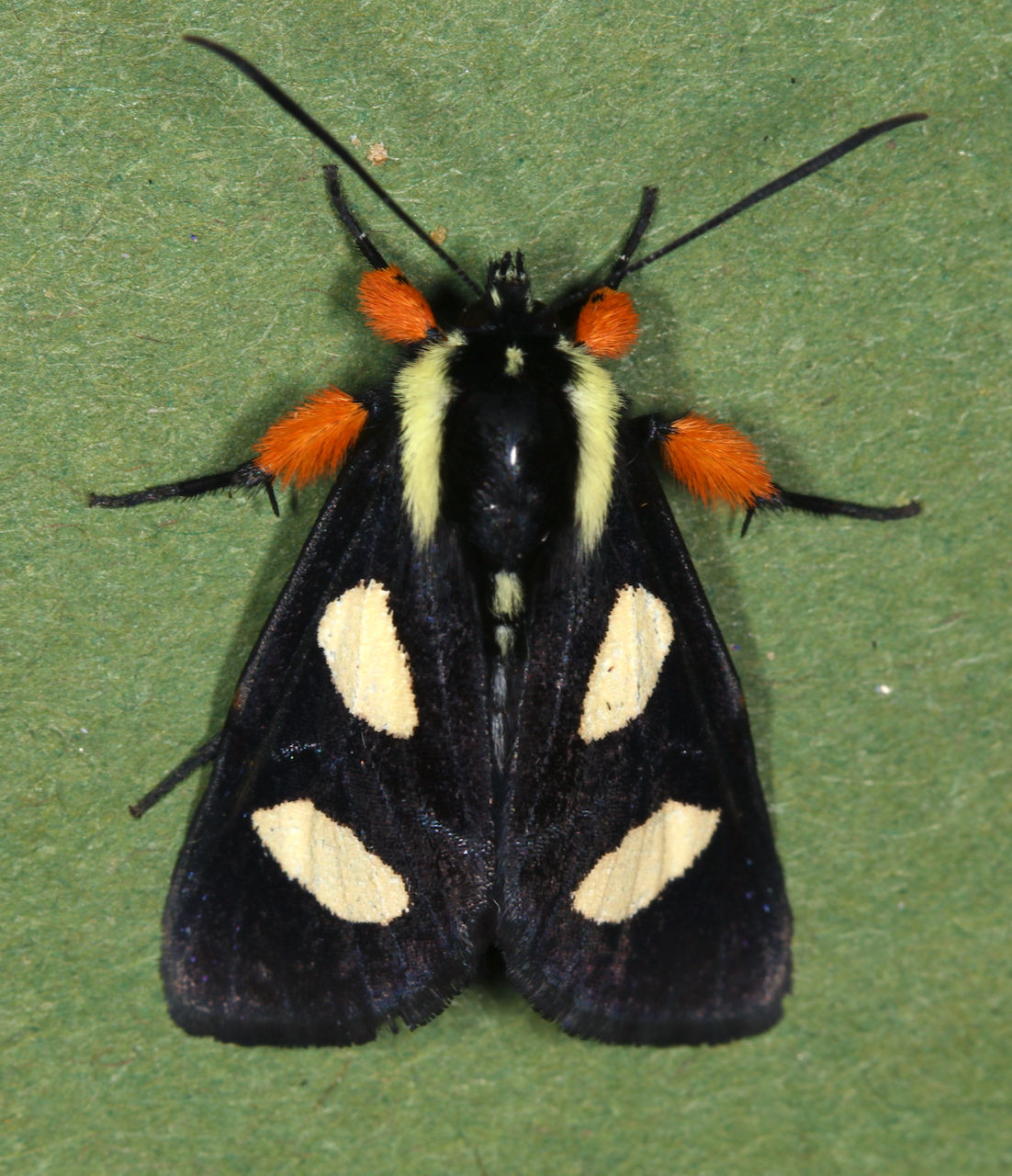
Branching tendrils form opposite the leaves on the vine and strong adhesive pads or disks develop at the tendril tip called holdfasts. Holdfasts will leave a residue when removed from a smooth surface. The vine’s gray-brown bark develops aerial roots when it climbs trees. Virginia creeper vine is even a host plant for the lepidoptera species of moth called the eight spotted forester moth (Alypia langtoni).5
Aerial roots of a Virginia creeper vine on a maple tree. Eastern fence lizard (Sceloporus undulatus) has a similar texture and colored skin of vine stem with camouflaging effect. (Image credit: Wendy Diaz)
Maintaining Virginia Creeper Vine
Virginia creeper is not for everyone due to its rapid growth rate and potential to damage siding and gutters if you forget about it and it finds your house to climb on. Just ask Kit Flynn who does not appreciate this native intruder into her garden because it can grow thirty feet in a year, covers anything and its roots are difficult to pull out.6 But my garden is more on the wild side, and I appreciate its ability to also grow as a ground cover alternative to grass. I do love its brilliant reddish-orange fall color. I have plenty of room in my yard for native vines that like to take over like Virginia creeper after I removed all my invasive species vines of English ivy (Hedera helix), Japanese honeysuckle (Lonicera japonica), periwinkle (Vinca major), and Chinese wisteria (Wisteria sinensis).
Crimson red Virginia creeper along my north property boundary in October. (Image credit: Wendy Diaz)
Using Virginia Creeper Vine in the Landscape
I found that as a native plant it can be used as a transitional plant in the landscape or the final say in both my woodland backyard and conventional front yard as I transform our property into a more ecofriendly garden that represents the flora of what used to be here before my subdivision was built. I am trying to make up for some small part of habitat loss and create a yard that is more interesting and engaging with not only beautiful plants but wildlife too.
(Left) In April, woodland garden along north side of house along property boundary after removing Vinca major, planting natives, and encouraging natives like Virginia creeper to grow. (Right) Native plants have filled in the woodland garden by June with the help of Virginia creeper suppressing weeds in leaf litter. (Image credit: Wendy Diaz)
I also leave dead trees and snags in my garden which the vine can climb on. This has a dual purpose of helping to sustain wildlife and covering a decaying tree. There is no need to purchase this native thanks to the birds in the area and it appeared in the woods after I removed the mat of Vinca major.
Virginia creeper vine with blue-black berries covering a snag in September. (Image credit: Wendy Diaz)
I converted about one third of our small front lawn from fescue grass to a patch of about a foot-high Virginia creeper vine by transplanting some rooted vine to the front yard from the north yard, and it took off. Yes, I have to occasionally pull up its young runners it as it creeps into the remaining grass, but at least I have a seasonal green mat with no weeds near the street and along our driveway where it was difficult to maintain a green lawn and a bare spot and where I removed 3 large burning bushes (Euonymus alatus).
It also prevents erosion during high rainfall events as water streams down to this lowest point of our yard. Our HOA has not issued me a letter because it is contained by the grass edge (by me) and the concrete curb. I pull it off the crape myrtle (Lagerstroemia) trunks nearby so it has a more intentional look. My neighbor was alarmed and questioned me (he thought I was cultivating poison ivy) one day when I was pulling some of it up out of my grass patch. I politely explained what it was and how to tell the difference between Virginia creeper and poison ivy. Education is a major part of the process of changing my garden plants, I guess.
(Left to right) Virginia creeper as a ground cover near the street. Close-up of Virginia creeper ground cover. (Image credit: Wendy Diaz)
Virginia creeper ground cover required minimal weeding because its wide large palmate-shaped leaves shaded out weeds for the most part. I did let a few volunteer black-eyed Susan (Rudbeckia spp.) grow in the ground cover patch this year. Even on a smaller scale, the Virginia creeper vine has even found a place to adorn my fairy garden.
Virginia creeper vine climbing on base of red maple (Acer rubrum) as a back drop for my fairy garden. Note the young aerial roots and dried tendrils on the vine. (Image credit: Wendy Diaz)
I hope you’ll try Virginia creeper in your garden if you have a suitable place; I know you won’t regret it. After all, if it can grab your attention while driving by a spartan utility pole, it can make anything look good in your yard and at the same time attract some interesting wildlife.
Eye-catching Virginia creeper vine climbing a utility pole in south Durham in early November. Eastern fence lizard climbing on Virginia creeper vine. Closeup of eastern fence lizard sharing the spotlight with Virginia creeper vine leaves later April. (Image credit: Wendy Diaz)