
By Gary Crispell, NC State Extension Master Gardener SM volunteer of Durham County (aka the Accidental Cottage Gardener)
July in North Carolina. Is it going to be hot? Do bears…, well you know. Of course, they do and it will be. And rain will be spotty at best and lots of folks will complain. Welcome to summer. Find a cool spot, a cooler beverage, and a good book and enjoy. Or you could come over and help me spread the 20+ cubic yards of chipper chips I inadvertently was graced with last week. (Long story. Bring lemonade or ice cream.) So, the Accidental Cottage Garden is now casually attired in wood chips as is right much of the rest of the yard. 20 yards is a lot of anything.
The ACG looks better now after a wee bit of rain. There are numerous (ok, 12 or 16) different plants in bloom at the moment. Here’s the list: Balloon flower (Platycodon grandiflorus), Zinnia (Zinnia elegans), Purple coneflower (Echinacea purpurea), Black-eyed susans(Rudbeckia hirta), Asiatic lilies, (Lilium x ‘Corsica’), African marigolds (Tagetes erecta), False vervain (Verbena bonariensis), Chinese forget-me-nots (Cynoglossum amabile), cosmos (Cosmos sulphureus), Bee Balm (Monarda fistulosa), and the last of the larkspur (Consulida ajaris).
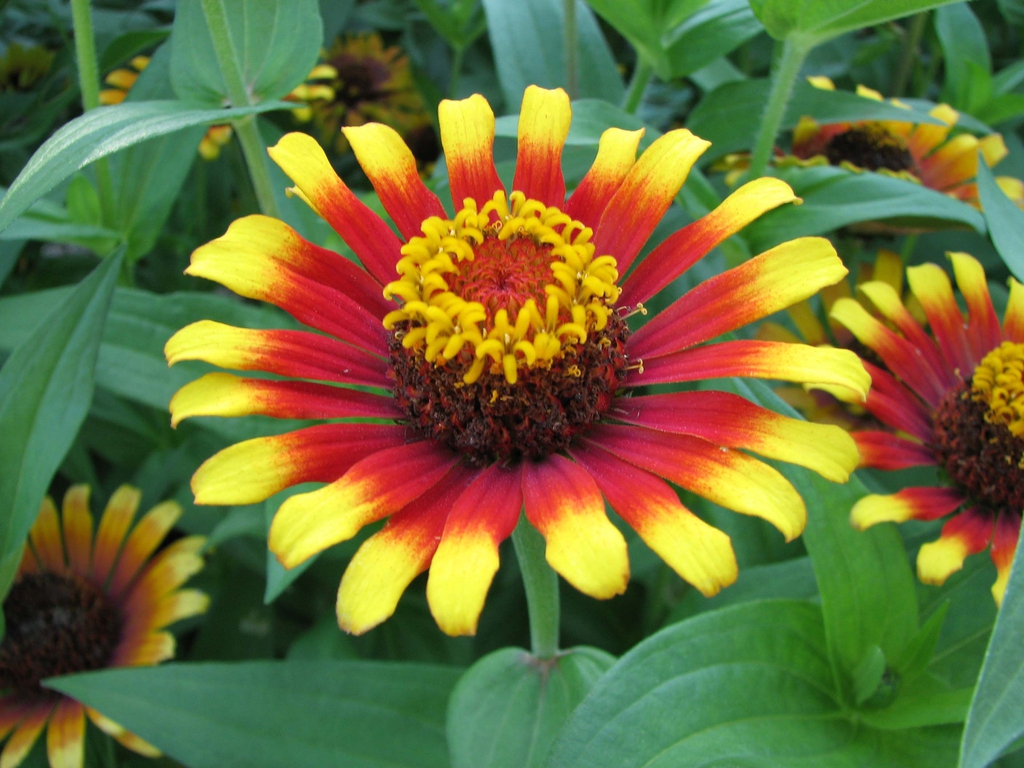

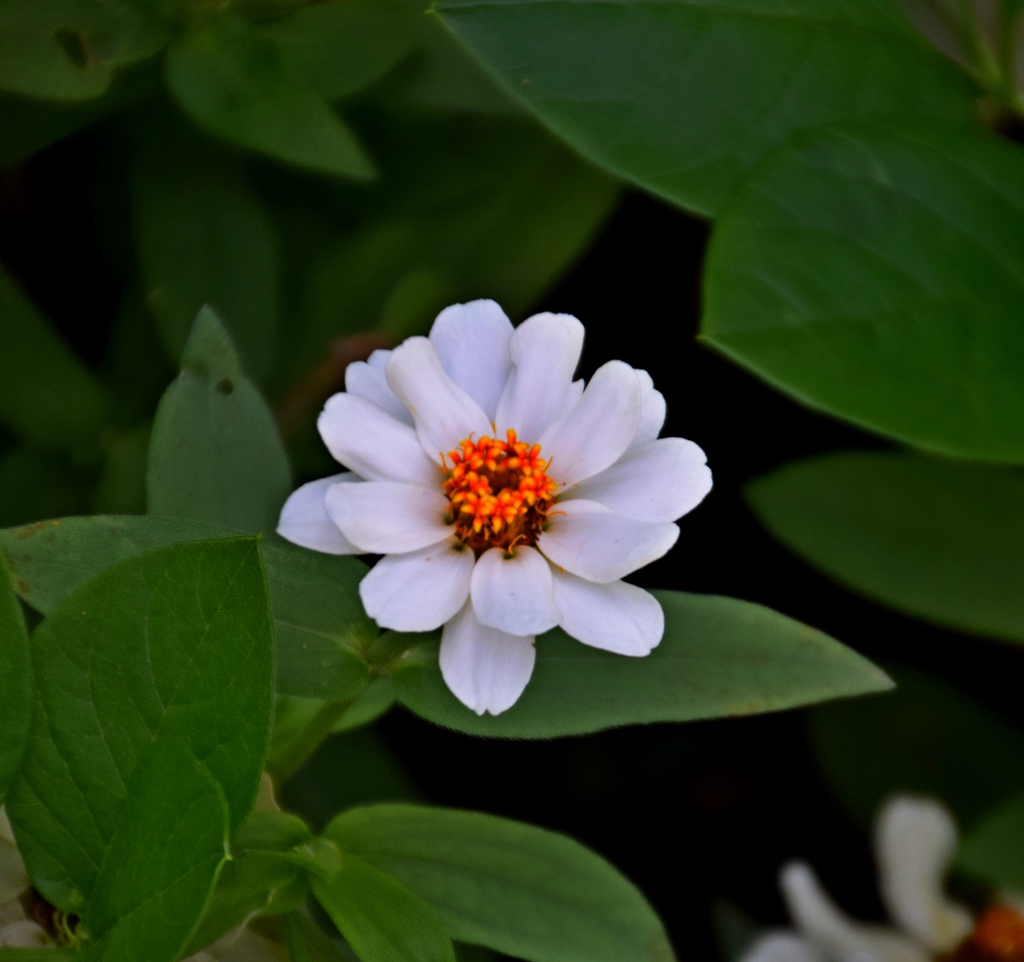

Zinnias are a great summer bloomer that come in all shapes and sizes. They are colorful, easy to grow, and attract pollinators. It is a cheerful addition to a variety of landscape locations (Image credit clockwise: Chris Gladis CC BY NC2.0;Tanaka Juuyoh CC BY 2.0; Krzysztof Golik CC BY 4.0; Kristen Paulus CC BY 2.0))
Now, for those of us who just can’t kick back all summer here’ s all the authorized sweat producing activities for you to pursue. PSA!! Let’s just get this out of the way now and I won’t harangue you with it anymore (this month). SOIL TESTS ARE FREE THROUGH NOVEMBER. Get the stuff (sample box and information sheet with instructions) from the Extension office at 721 Foster St., Durham. The results from NCDOA will tell all you need to know to optimize your soil for whatever you intend to grow. It ain’t hard. Just do it. Last month the blog published a great video on how to take a soil sample.
Lawn Care
Fertilize any warm season grasses (Bermuda, zoysia, St. Augustine) that have been previously neglected. Mow the same by removing no more than 1/3 of the blade length. Mow cool season grasses (fescue, perennial rye, non-banjo bluegrass) no lower than 3”. Treat lawns for grubs after the 15th.
Fertilizing
This month should be the last time you fertilize landscape plants (trees and shrubs) until 2027.
Planting
For the perpetually procrastinating people, planting pumpkins is perfectly permissible provided plenty of preparation precedes planting procedures. One can also plant tomato (plants), broccoli (plants), beans (seeds), brussels sprouts plants) and carrots (seeds). Competitive types can get a jump on the fall garden by planting cruciferous seeds broccoli, cabbage, etc.) in flats to be transplanted to the garden in mid-August. Pot up (move to a larger size pot) or transplant overgrown house plants.
Pruning
Last chance to prune landscape plants. Pruning later will stimulate new growth that may not have time to harden off before winter comes (and it will come). Coniferous plants (seeds are produced in cones) can be pruned lightly now. Bleeder trees (leak a lot of sap when cut) such as maple, elm, birch and dogwood (Acer,Ulmus, Betula and Cornus) can be pruned in July. Blackberry and raspberry fruiting canes can be whacked to the ground, but not until after the final berries have made it into a pie. Many perennials will rebloom if you clip off the spent blooms before they set seed.
Spraying
There are several pancrustacial hexapodial invertebrates of the class Insecta (Bugs to those of us without entomology PhDs.) for whom you might feel enmity and who are out and about this month feasting on your favorite flora. As they are not innocent, no attempt will be made to protect their names. The suspects are bagworms (most of whom are now ensconced in their bags). You will have to pick them off and dispose of them in any manner you see fittin’. Leaf miners (Beware some of them carry little pick axes.), spider mites (I know, technically they are arachnids, not insects—get over it.), aphids (which are ubiquitous), lace bugs, the bane of rose and grape lovers everywhere—Japanese beetles all of which can be treated with a variety of insecticides.

Wondering what this is hanging in your coniferous tree? It’s a bagworm casing and there are a variety of strategies that can be used to identify, monitor, and get rid of them. (NC Cooperative Extension)
There are several organic (not long carbon chain organic, but less-harmful-to-pollinators organic) and as always, read the label and follow the instructions. Watch for tomato blight. It is a fungus. Treat as necessary. Maintain any rose, fruit tree and bunch grape spray programs. Vegetable pests of the month include cucumber beetles, flea beetles on tomatoes and beans and eggplant and the afore-mentioned aphids on everything with suckable plant juice.
OTHER JULY ACTIVITIES IF YOU TEND TO GOOVE ON THE HEAT AND HUMIDITY VIBE:
If you’re feeling especially ambitious you can always build cold frames and greenhouses to over-winter your tender and semi-hardy plants. You can always spread mulch.
Personally, I’m going to take the grandkids to the pool twice a week and hang out in the shade the rest of the time (after I spread all those damn chips). Happy summer, y’all. Enjoy. It’s waaay better here than Arizona or Houston.

Time for a rest! (Image credit: Martha Engelke using Gemini AI)
Additional Reading and Resources
How to grow zinnias and control potential problems.
An integrated plan based on evidence is the best way to control summer pests.
Shortlink: https://wp.me/p2nIr1-7JI
Editor: Martha Engelke