Got Questions? Our Helpline Has Answers!

By Astrid Cook-Dail, NC State Extension Master GardenerSM volunteer of Durham County

Many people are familiar with the “Ask a Master Gardener” tents at local Durham events such as the farmers’ markets (both at Durham Central Park and in south Durham)… but did you know you can also ask all the plant questions you can think of from the comfort of your couch?

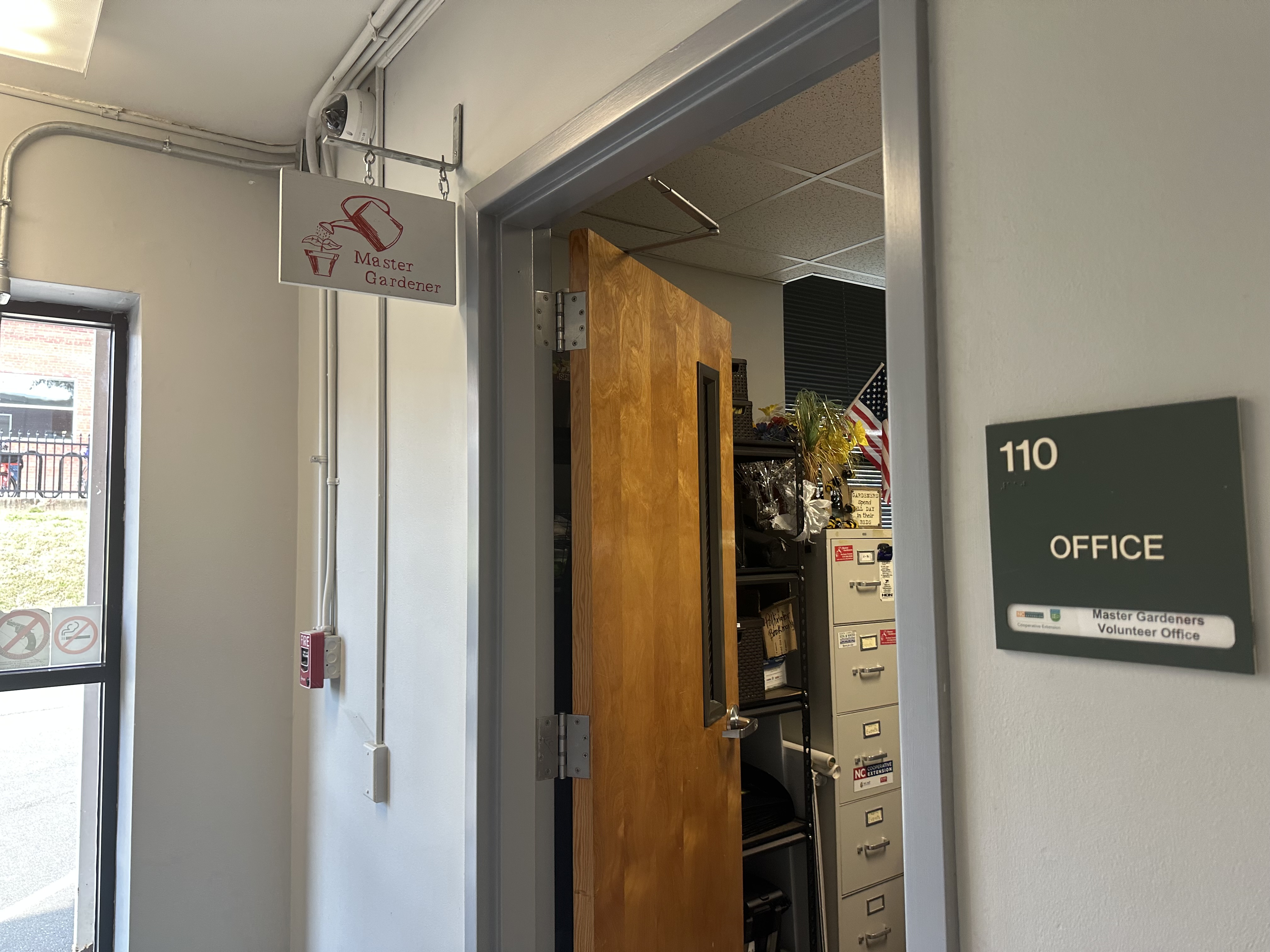
If you’re looking around your garden and see something curious, you can snap a few photos and email mastergardener@dconc.gov or call the helpline (919-560-0528). If you prefer, you can visit the Durham County Cooperative Extension Master GardenerSM program office in person at 721 Foster Street, Durham, NC. The helpline and office are both open Monday through Friday from 9:00 a.m. to 4:00 p.m.

Entrance to office 110 marked 'Master Gardener Volunteer Office' with wooden door and a sign above.

Outside the EMGV office at 721 Foster Street (Image credit: Astrid Cook-Dail)

Today, we are going behind-the-scenes at the office in an interview with Tina Falker to share some of the most popular questions asked and some helpful tips for submitting questions to make sure you get the most helpful assistance possible!

Top Questions Asked at the Office & Helpline

  1. What’s wrong with this plant?
  2. What is this plant?
  3. How do I get rid of this plant?
  4. What is this insect, and how do I get rid of it?
  5. How do I deal with [insert garden critter – deer, rabbits, squirrels, snakes…] ?

Many of these questions aren’t surprising, but the office once received an inquiry asking how to get rid of turkey vultures! Even with the most usual questions, there is always a new angle requiring research.

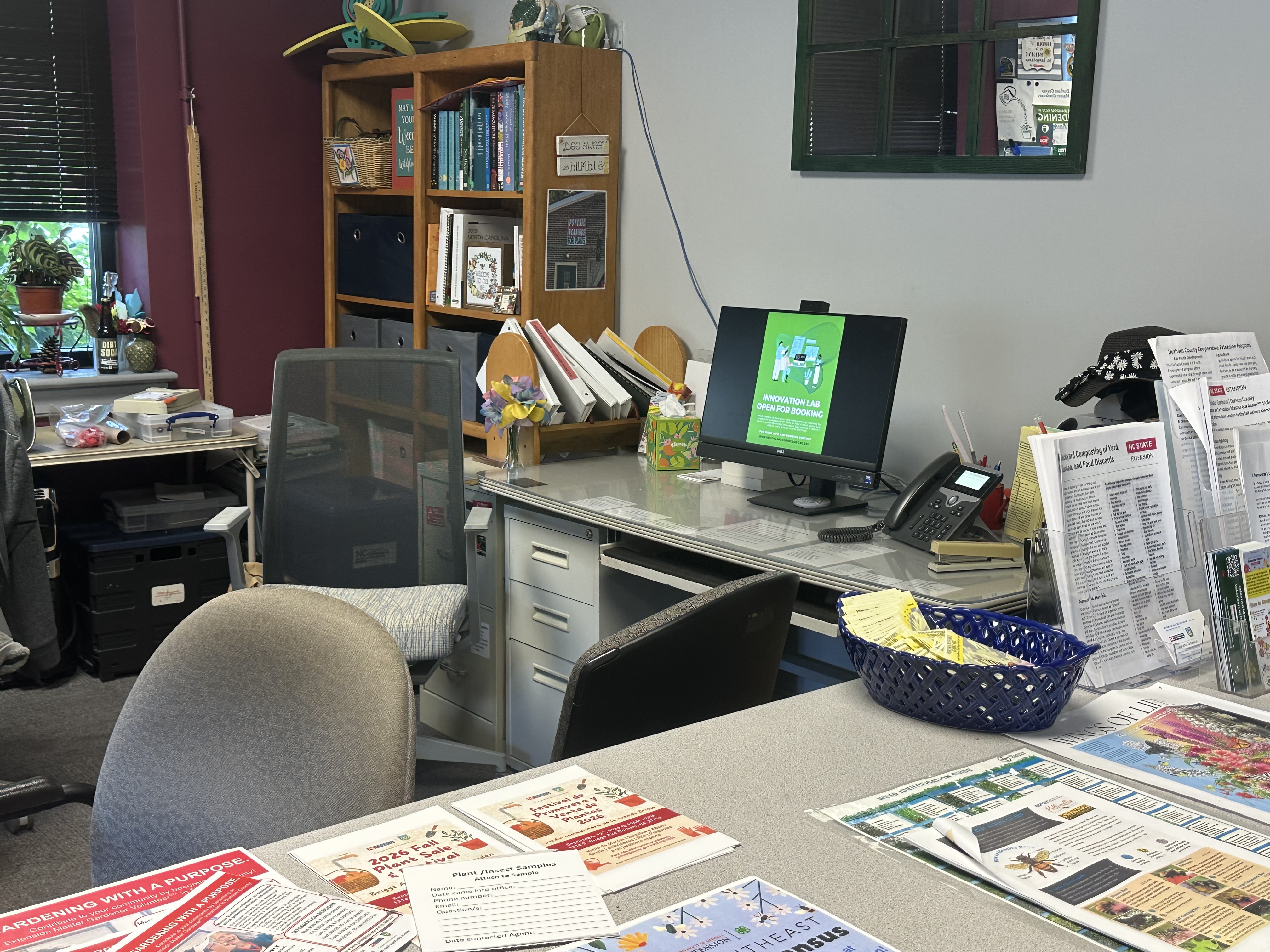
A well-organized office workspace featuring a desk with a computer monitor displaying a booking announcement, a telephone, and various printed materials. Bookshelves with a variety of books and decorative items are visible in the background, along with seating and storage containers.

The magical place where all the questions are answered! (Image credit: Astrid Cook-Dail)

Tomatoes

The most common question for the office in late summer: What’s wrong with my tomato, and what can I do about it?

Of course tomato questions are pouring in right about now, when plants are tired (like all of us) of the unpredictable weather and relentless heat and humidity. So here are just a couple of quick tomato tips:

  • Tomatoes drop their blossoms in high heat both during the daytime and when nighttime temperatures don’t cool down. They are a warmth-loving crop but they don’t like it too hot. (More about tomato blossom drop from ACES)
  • Unpredictable weather such as extended drought and extreme rain events – both of which our area has seen this year – increase the likelihood of tomato issues to due heightened plant stress.

If you would like more tomato growing advice, we did a whole post about that: Achieving Peak Tomato Performance.

Tips for Submitting Questions

Extension Master GardenerSM volunteers often play the role of “plant CSI.” It is our job to do some important detective work as we try to help answer your questions as thoroughly and accurately as possible and provide a trustworthy source of research-based information, especially in the AI era. Including the following information with your question helps us help you more quickly:

  • Do you know what the plant is? Are you sure? If you’re unsure, tell us what you know about it – whether it’s evergreen (keeps foliage all year) or deciduous (drops leaves usually in autumn or winter), what its flowers look like if it has any, etc.
  • What are the growing conditions? How much sun does it get? How much moisture?
  • Where is it growing, and how long has it been there?
  • Have there been any recent changes to your landscape?
  • When did you first notice the problem?

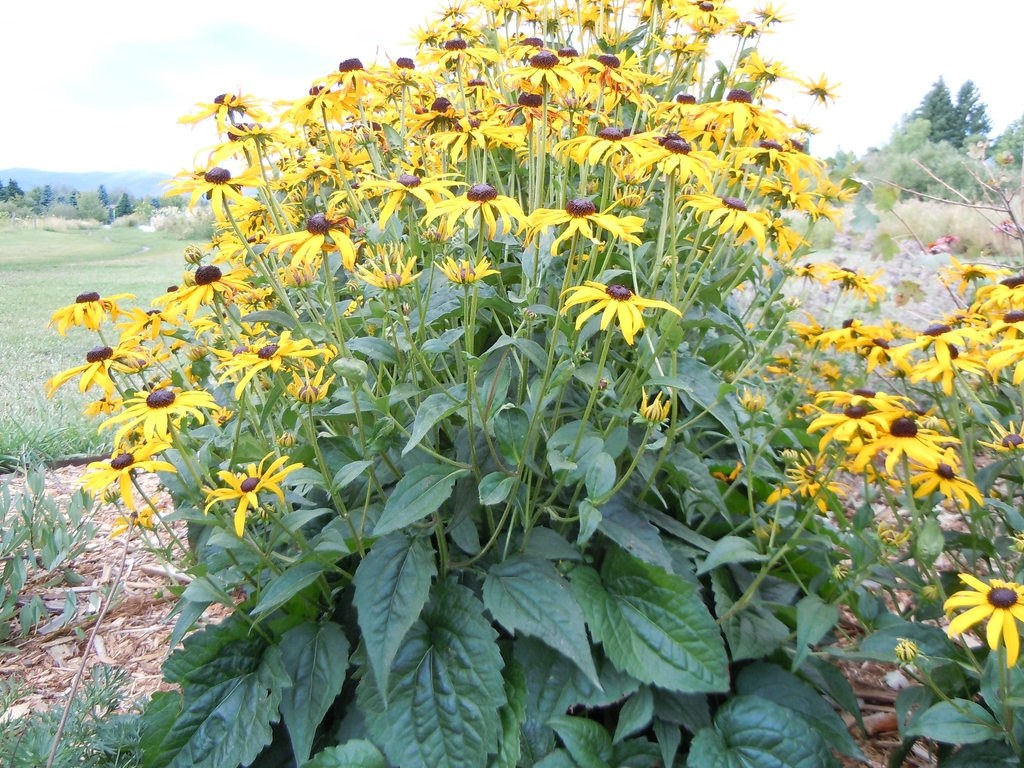
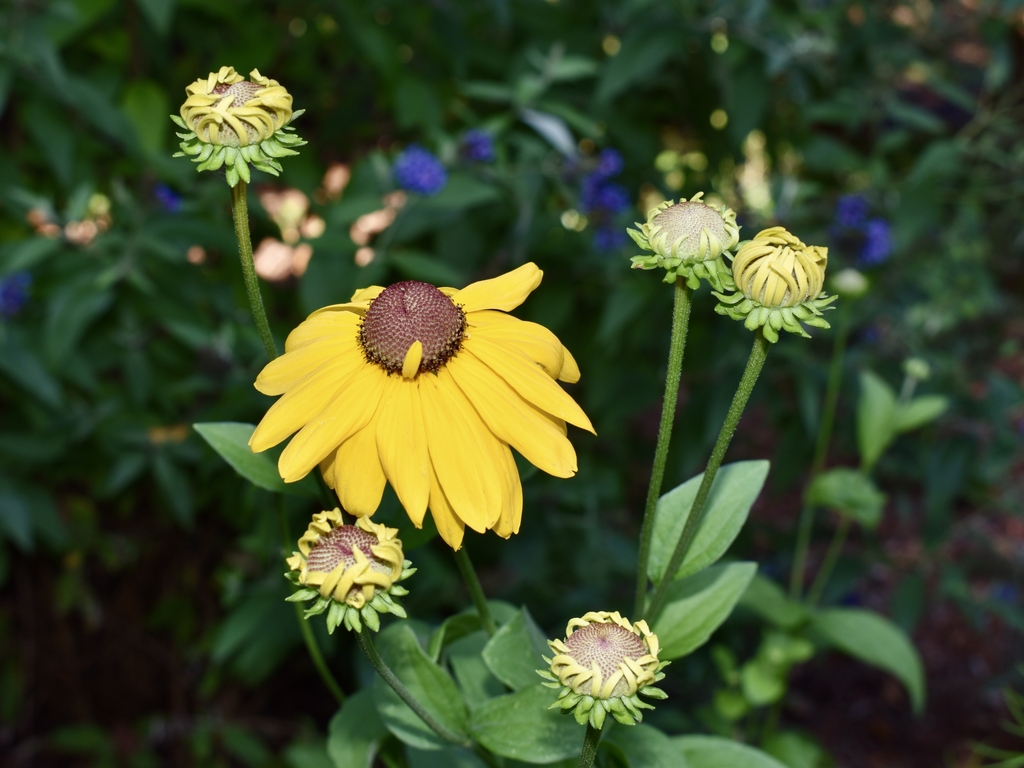
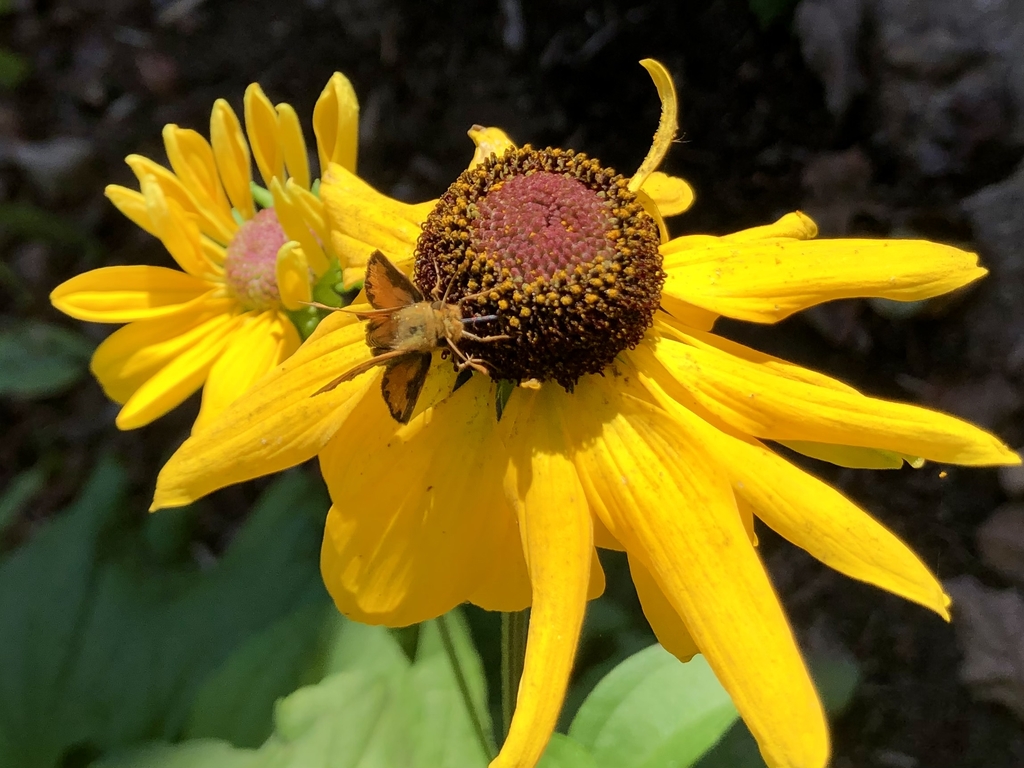
These three photos of Black-eyed Susan (Rudbeckia) illustrate how different levels of detail in plant photos can help diagnose issues. Photos further away and closer up provide essential context. (Image credit: Matt Lavin; Cathy DeWitt; JC Raulston Arboretum)

Photos are very helpful in assessment. If possible include a landscape shot to give the setting, then a separate photo of the plant itself and a closeup photo of the problem. A photo that shows both healthy and unhealthy portions of the plant can provide key information.

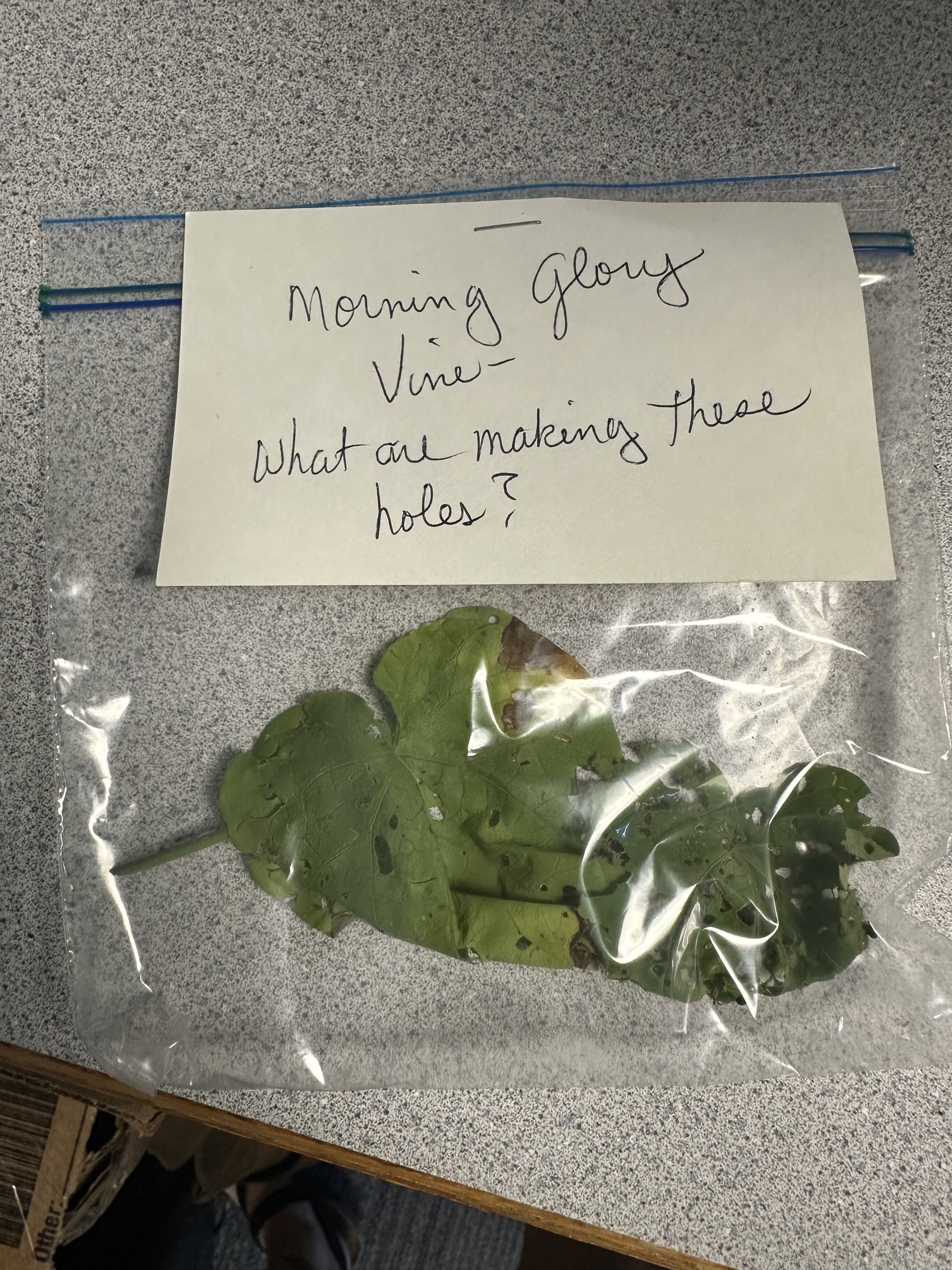
A ziplock bag containing green Morning Glory vine leaves with visible holes, accompanied by a handwritten note asking about the cause of the damage.

An example of what a plant sample dropped off in-person looks like. (Image credit: Astrid Cook-Dail)

You can also stop by the office and submit a physical sample, but beware that samples of dead, dried up foliage is usually not helpful. Instead, the sample should show the full range of symptoms, including healthy and unhealthy portions.

Reminder: Soil Tests Are Still Free!

You can find soil test boxes and forms (remember to take both!) to pick up and drop off samples here in the blue box outside the office. (Image credit: Astrid Cook-Dail)

Late summer and early fall is a great time to do a soil test, especially if you are looking to plant a fall vegetable garden or decide on cover cropping. (Read more about the importance of soil health in our post: A Better Way to Think About Soil.) Want to pick up a soil test kit, or drop off your soil sample? April through November, boxes and forms for sampling are available in the blue cabinet on the north side of the Durham County Extension Building at 721 Foster St. When complete, your results will be sent to you by email. If you need assistance interpreting your soil test report, we are happy to help with that as well.

Additional Recommendations and Resources

How to submit a sample to the NCSU Plant Disease and Insect Clinic

Edited by Astrid Cook-Dail, NC State Extension Master GardenerSM volunteer of Durham County

Upcoming Gardening Events: September 2026

The Ask a Master Gardener Program is an opportunity for members of the community to ask questions about gardening and learn more about the NC State Extension Master GardenerSM program. Volunteers are available to provide answers using research-based information about plants and plant problems.

You can reach the Extension Master Gardener volunteers in Durham County by calling (919) 560-0528. You can also reach them by emailing mastergardener@dconc.gov or by visiting the Durham County Cooperative Extension at 721 Foster Street, Durham, NC. The helpline and office are open Monday through Friday from 9:00 a.m. to 4:00 p.m.

Two women standing behind a table under a canopy with a sign that reads 'Ask a Master Gardener.' The table is decorated with flowers and gardening materials.

Look for the “Ask A Master Gardener” banner at our Public Events. (Image credit: Allie Mullin)

You’ll find Extension Master Gardener volunteers at the following September events ready for your questions:

  • Saturday, September 12, 10am – 2pm Briggs Garden Fall Plant Sale & Festival, 1314 S. Briggs Ave, Durham, NC 27707
  • Saturday, September 19, 8am – 12pm Durham Farmers Market, 501 Foster Street, Durham, NC 27701
  • Saturday, September 19, 10am – 7pm The Great Southeast Pollinator Census at the Museum of Natural Science’s BugFest, 11 W Jones St, Raleigh, NC 27601
  • Friday, September 25, 3pm – 6pm Duke Gardens Members Plant Sale, Sarah P Duke Gardens, 420 Anderson St, Durham NC
  • Saturday, September 26, 9am – 12pm South Durham Farmers’ Market, 500 Park Offices Drive, Durham, NC 27709
  • Saturday, September 26, 10am – 2pm Southside Church of Christ Community Health and Wellness Fair, 800 Elmira Ave, Durham, NC 27707

There will be a new training class beginning January 2027. Applications and Information sessions are now open. Learn more and register here. The following EMG information classes with be offered in September:

Tuesday, September 1st6 – 7pmOnline
Wednesday, September 16th10 – 11amIn Person
Thursday, September 24th6 – 7pmOnline
Saturday, September 26th10 – 11amIn Person

Extension Master Food volunteers share their talents, skills, and commitment to service with Durham County residents. With a focus on healthy and tasty foods, EMFVs support and augment the nutrition and cooking programs at the Durham Cooperative Extension. They also learn to lead their own cooking demonstrations in the community. Learn more and register here.

There will be a virtual EMFV information session held Wednesday, September 23, 6pm – 7pm.

Five individuals standing together in a garden, surrounded by various potted plants and seedlings, smiling for the camera.

An abundance of brassicas and herbs for sale at the Briggs Ave Plant Sale. (Image credit: Allie Mullin)

Tuesday, September 15, 7pm – 8:30pm Virtual. “Most Delicious Poisons” with Dr. Noah Whiteman. Read here for more information on registering and attending. $10 session fee for non-members or $25 for annual membership.

Sarah P. Duke Gardens

There are several programs offered in September including Plant Meditation and Sculpture, Plant Propagation, and Botanical Embroidery.

JC Raulston Arboretum

The Arboretum offers a series of online programs every Wednesday at 3 pm. All Midweek Programs are free and require pre-registration.

  • September 2: “More Plants You’ll Fall For” Mark Weathington and Dennis Carey
  • September 9: “PLT Premiere: Top Ten Plants for the Next 50 Years” Mark Weathington and Eileen Gahan
  • September 16: “Golden Plants” Mark Weathington and Greg Paige
  • September 23: “Not Another Yellow Composite” Evan Villani
  • September 30: “Horticulture Hour: Live Q&A with the JCRA Team” Horticulture Staff

Durham County Library

  • Tuesday, September 8, 3:30pm – 4:30pm Garden Club for Kids (Ages 7-12) at Children’s Programming Room, Southwest Regional Library, 3605 Shannon Rd, Durham, NC 27707. Registration required.

Article shortlink: https://wp.me/p2nIr1-7Vs

Edited by Astrid Cook-Dail, NC State Extension Master GardenerSM volunteer of Durham County